

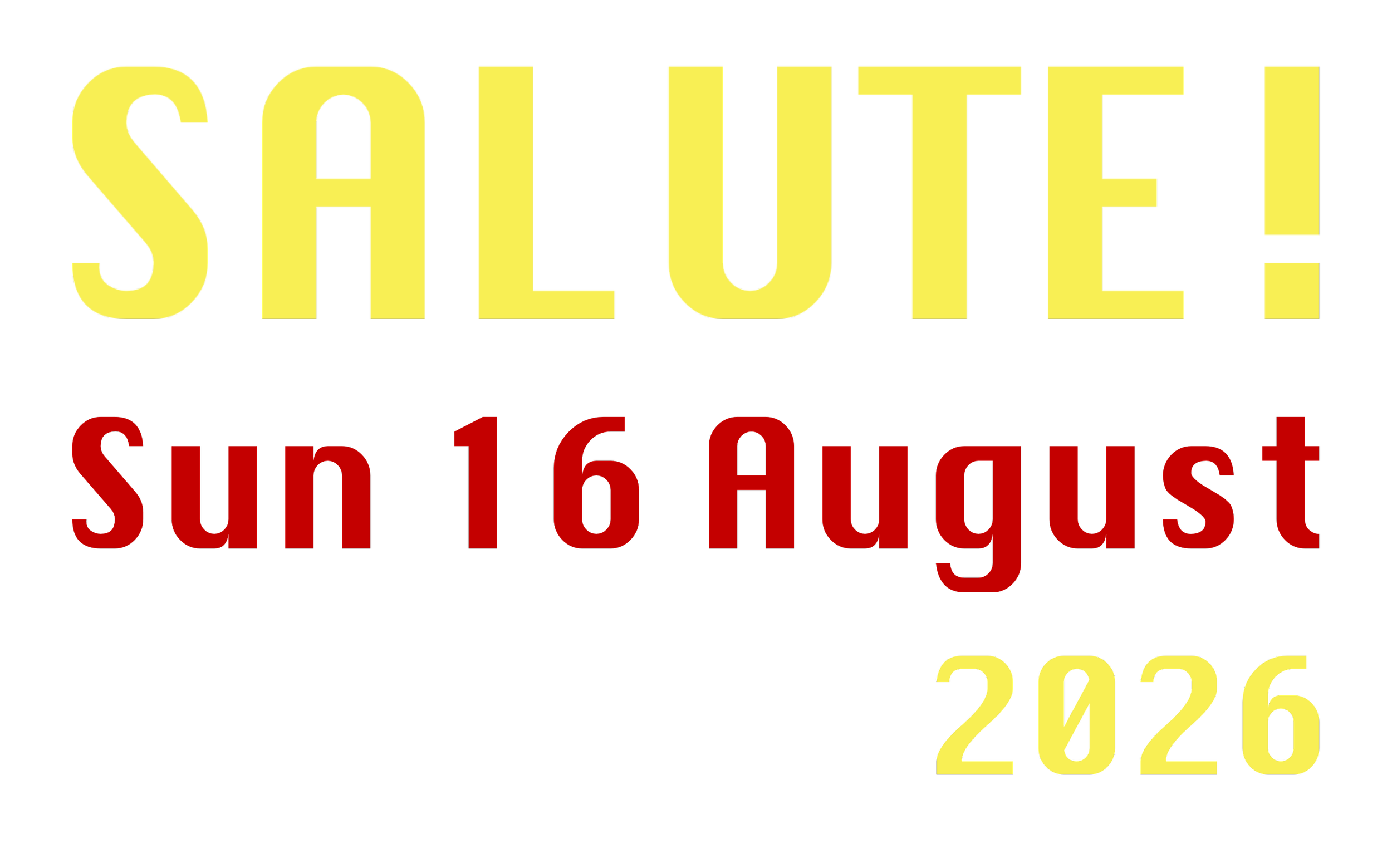
10am-5pm Sunday 16th August 2026
Venue | Purfleet Heritage & Military Centre
The second SALUTE! festival remembers the 110th anniversary of The Battle of the Somme, the 200th anniversary of the end of the 1st Anglo-Burmese War and lots more events.
SALUTE! 2026 highlights include:
The Gurkha Festival, with cultural performances and delicious Nepalese food!
The Unveiling of our new display in honour of FranciszekGruszka at 11am.
A kabaddi match at 2pm presented by the SSLE Kabaddi Club and our local Sikh Gurdwara.
At 3pm, the wonderful Efua Sey Cultural Academy will be entertaining us with their infectious West African drumming.
WW1 songs will end the day performed by the inimitable Geri and The Three Amigos in a final entertainment that includes international food, Bar and Raffle.
An indoor film screen will be showing ‘The Burma Boy” by journalist Barnaby Phillips.
We would like to remember the many important historical moments that chime with 2026. Some of these anniversaries are listed here. You might wish to find out more about these. If so, just click on to the sources that have been named in each anniversary. Happy browsing!

ANNIVERSARIES
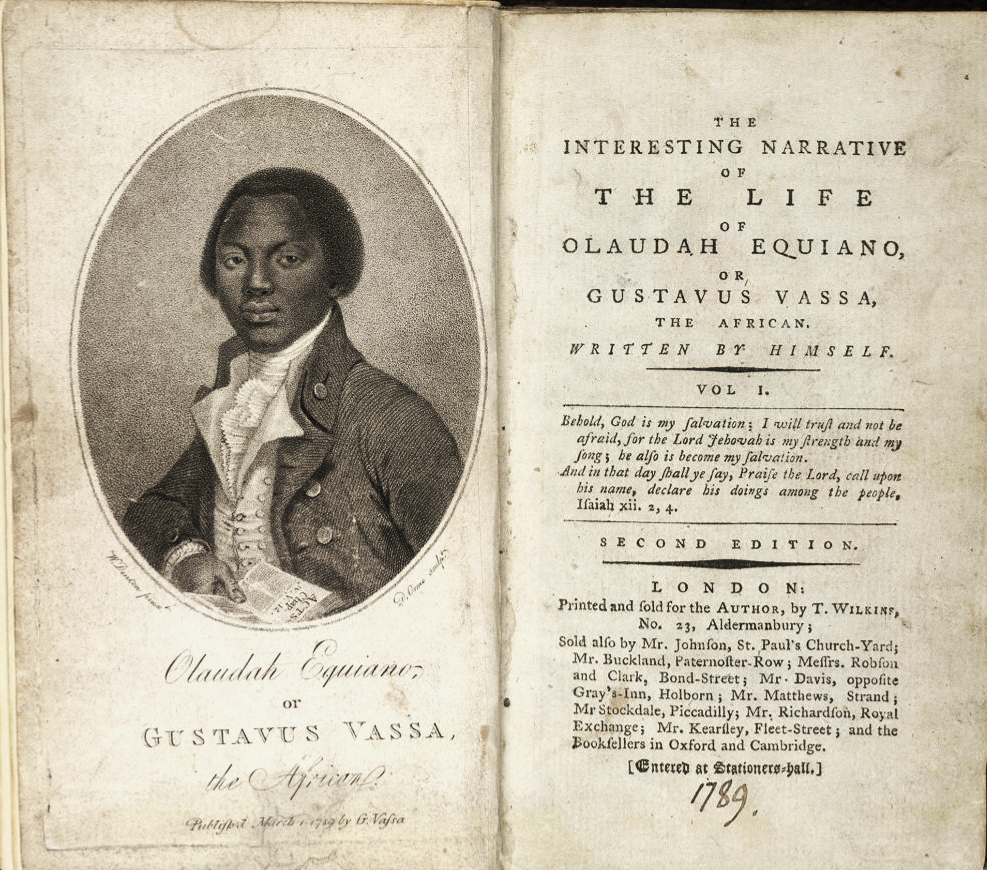
270 years ago - Olaudah Equiano enslaved 1756
240 years ago - Olaudah Equiano involved in slavery abolishment 1786
Equiano was an African writer whose experiences as a slave prompted him to become involved in the British abolition movement. (BBC)
A key voice in dismantling the British trade in enslaved Africans, Olaudah Equiano was a freed enslaved man whose autobiography galvanised the early abolitionist movement. Thomas Clarkson and Reverend John Newton were part of this.
210 years ago - Treaty of Sugauli 1816
4 March 2026 will mark 210 years since the signing of the Treaty of Sugauli and the formal beginnings of Gurkha service to the British Crown. The two centuries of friendship and co-operation between Britain and Nepal is one of our most unique and longest lasting overseas partnerships. (The Gurkha Museum)

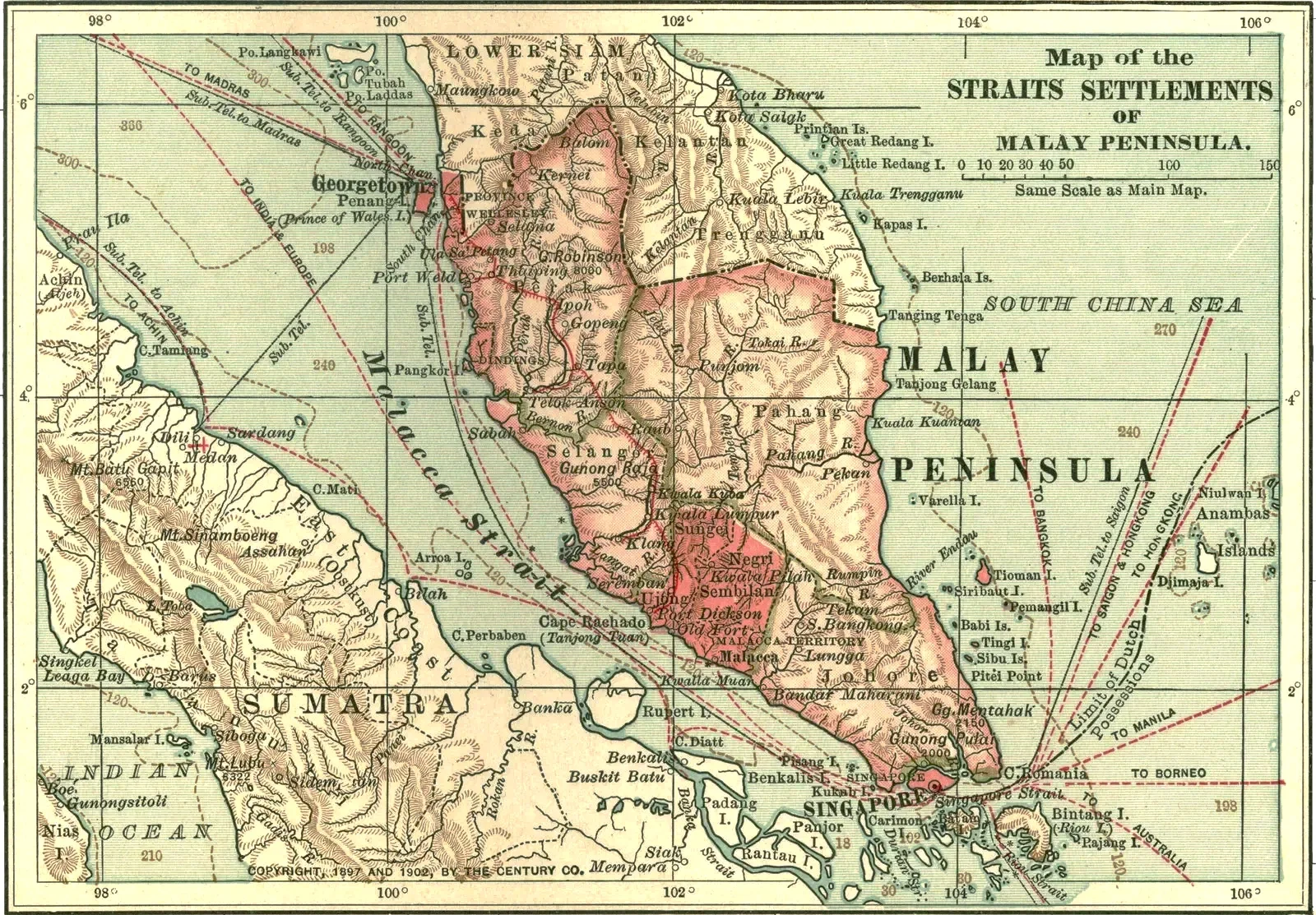
200 years ago - The British established the Straits Settlements 1826
The Straits Settlements, comprising Penang, Malacca and Singapore, was an administrative unit of the East India Company (1826–1867) and later the British Colonial Office (1867–1946). It was formed in 1826 as a presidency under the administration of the East India Company in India. (Singapore Government Agency)
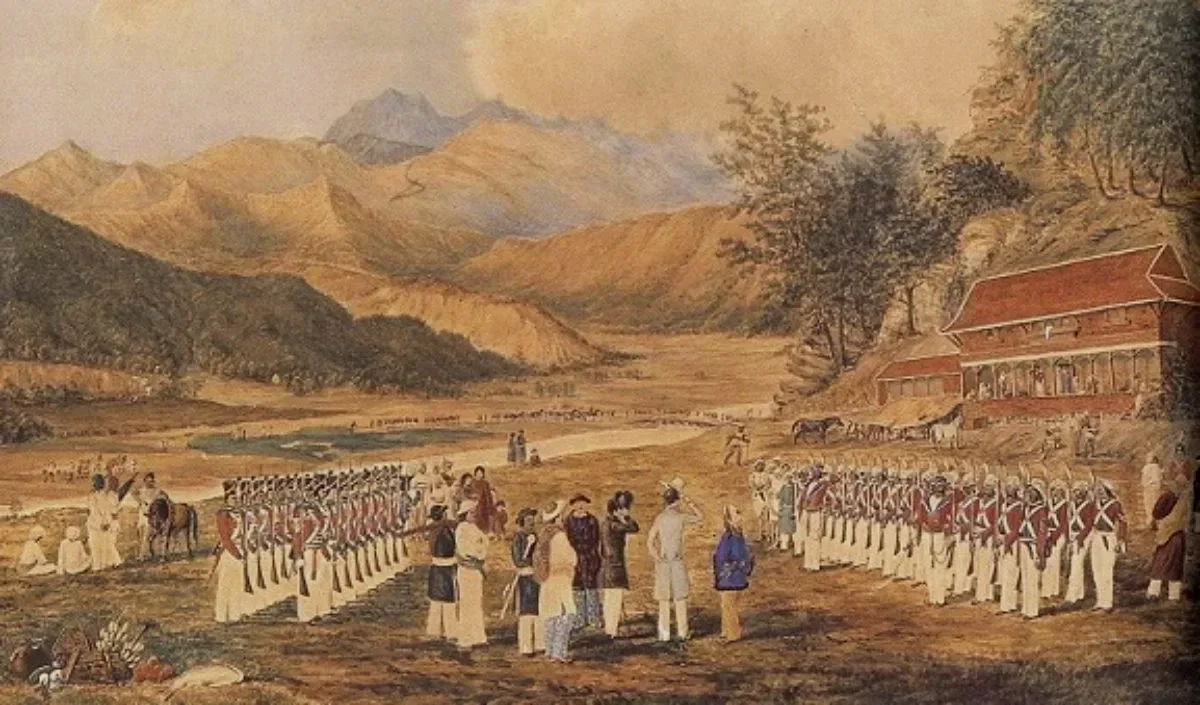
200 years ago - End of 1st Anglo-Burmese War 1826
The First Anglo-Burmese War (1824–1826) occurred following extended border disputes between Burma and British India. Relations between the two sides had been deteriorating for over two decades [1]. The British had claimed Assam and Manipur in northeast India as protectorates and they objected to Burmese military expansion in these regions. Meanwhile, Burma was becoming increasingly frustrated at British Bengal’s expanding sphere of influence. A good deal of friction had also emerged in the territory between Arakan in western Burma and the British-held Chittagong to the north. (British Online Archives)
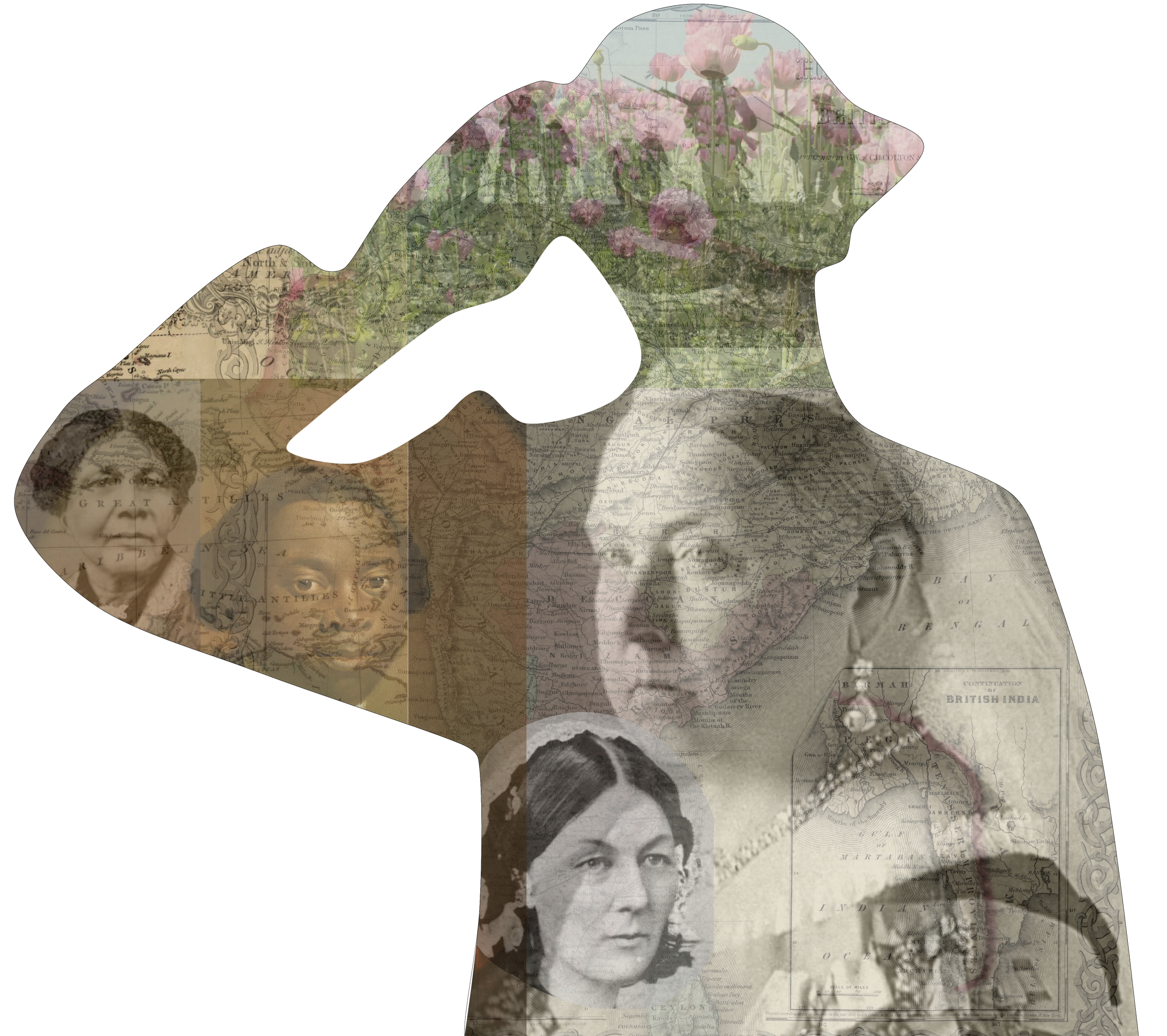
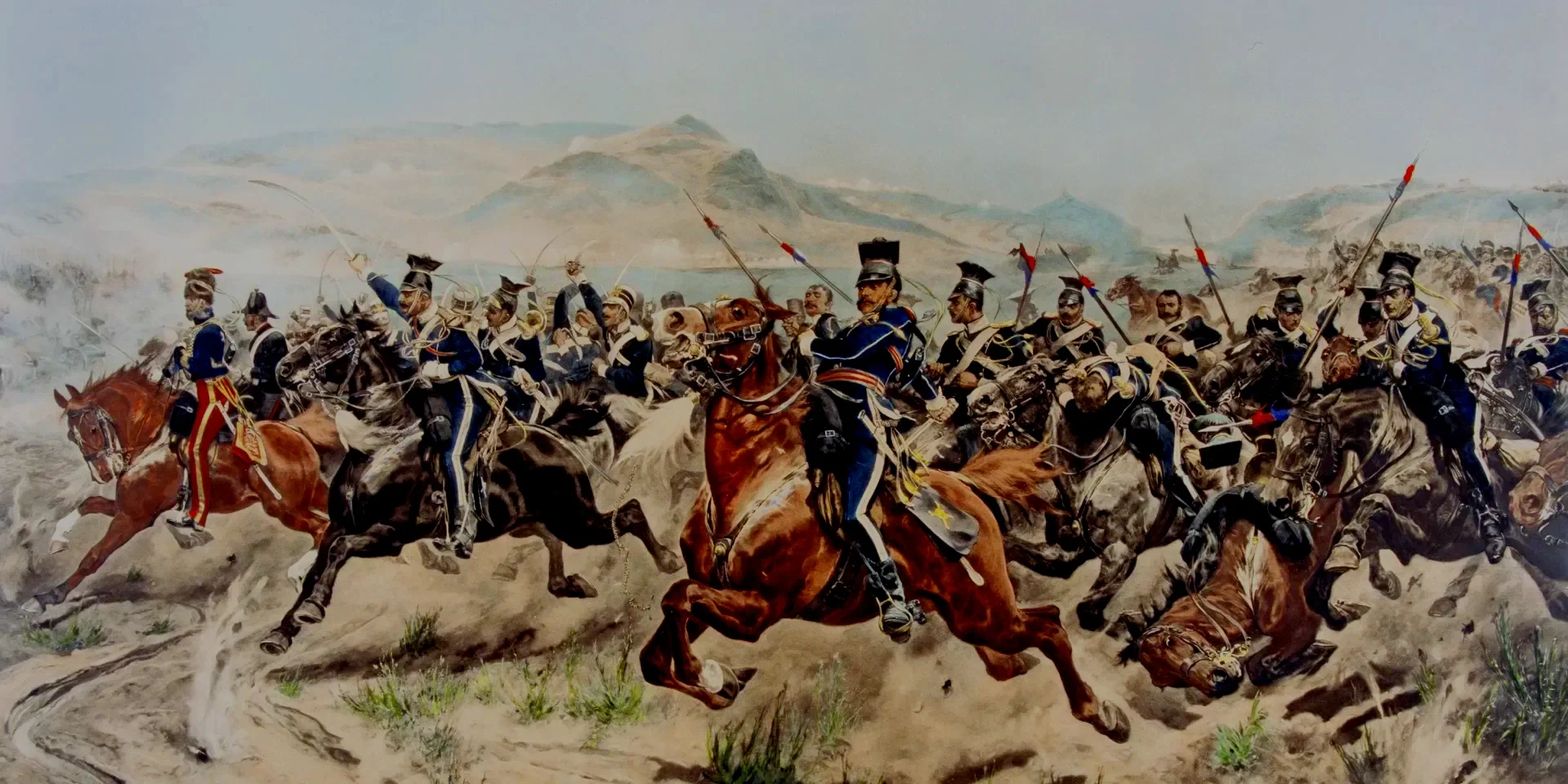
170 years ago - The end of the Crimean War 1856
The Crimean War (1854-56) was fought by an alliance of Britain, France, Turkey and Sardinia against Russia. It was the only major European conflict the Army engaged in between 1816 and 1914. For the British, the campaign was symbolised by military and logistical incompetence alongside the bravery and endurance of its soldiers. (National Army Museum)
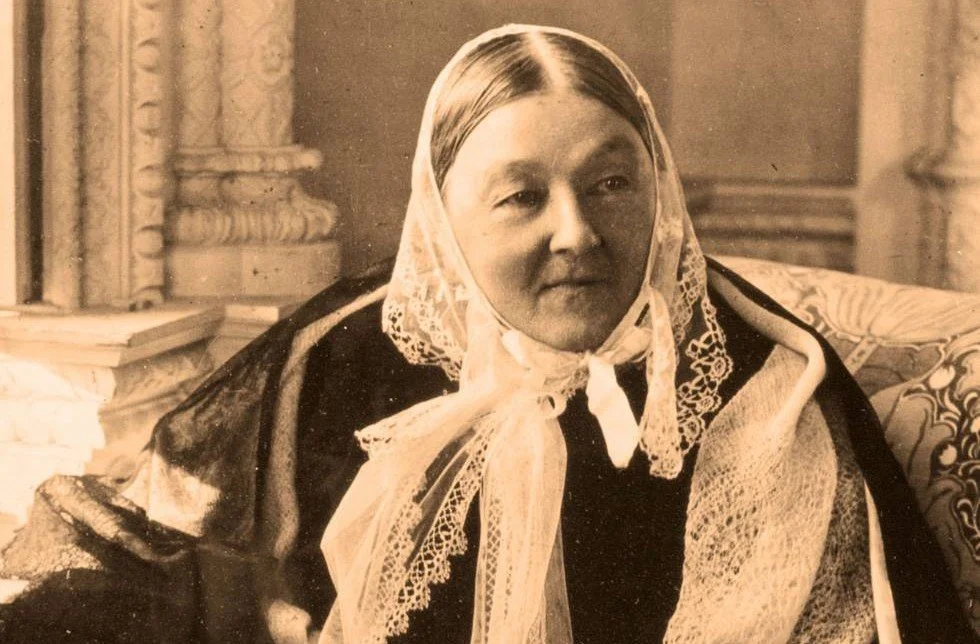
Florence Nightingale (1820-1910) was a legend in her own lifetime and one of the most famous women in British history. Her work in the Crimea set the standards for modern nursing. For the rest of her life, she continued to campaign for improved sanitary conditions in both military and civilian hospitals. (National Army Museum)
Mary Seacole (1805-1881) was born in Jamaica. Mary’s mother was black, her father James Grant was a white Scottish army officer and Mary was born a ‘free person’.Mary travelled to England and approached the British War Office, asking to be sent as an army nurse to the Crimea. She was refused. Undaunted, she funded her own trip to Crimea where she established the British Hotel. It provided a place of respite for sick and recovering soldiers. (Mary Seacole Trust)
At the time, Mary was as well-known in Britain as Florence Nightingale.

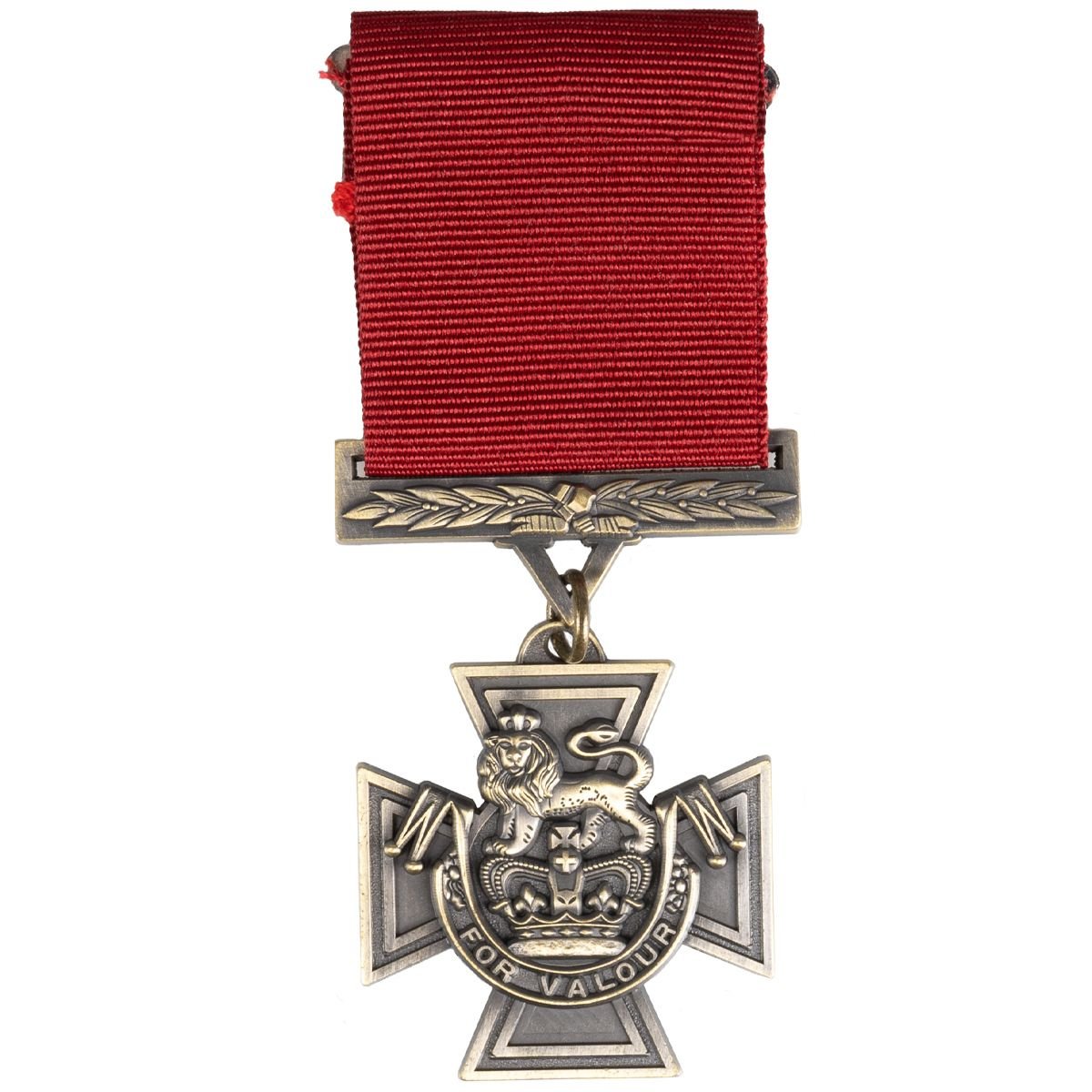
170 years ago - Victoria Crosses awarded 1856.
The VC was instituted by Royal Warrant on 29 January 1856 to acknowledge the bravery displayed by many soldiers and sailors during the Crimean War (1854-56). Unlike its predecessors, the new award was open to all ranks and would only be granted for acts of supreme gallantry in the face of the enemy.
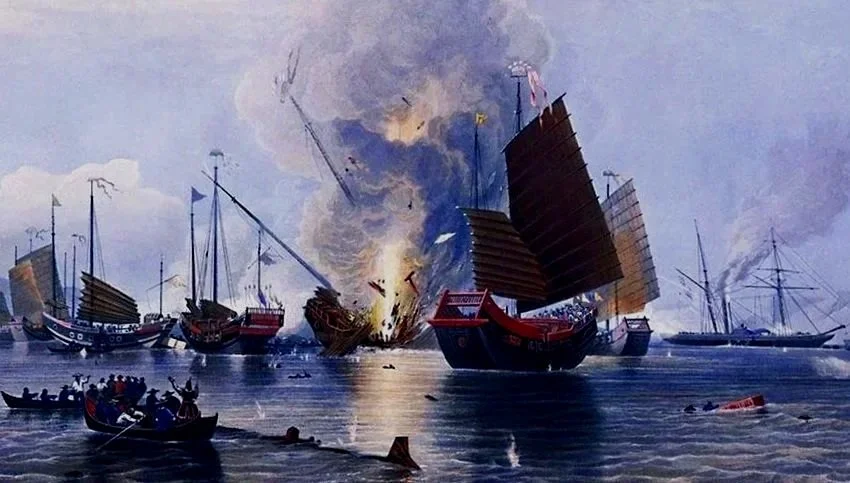
170 years ago - The start of the 2nd Opium Wars 1856.
The Opium Wars in the mid-19th century were a critical juncture in modern Chinese history. The first Opium War was fought between China and Great Britain from 1839 to 1842. In the second Opium War, from 1856 to 1860, a weakened China fought both Great Britain and France. China lost both wars. (Asia Pacific Curriculum)
150 years ago - Queen Victoria (1819-1901) became Empress of India 1876.
Although she never went to India, Victoria coveted the title of Empress of India. She called herself Empress from 1858 when the British Crown took over political control of India. She was officially accorded the title on 1 January 1876.
In the 1880s, the Empress invoked India and her other colonies around her through the presence of objects, art and architecture, through ceremonial and spectacular occasions such as the Colonial and Indian Exhibition. (Historic Royal Palaces)

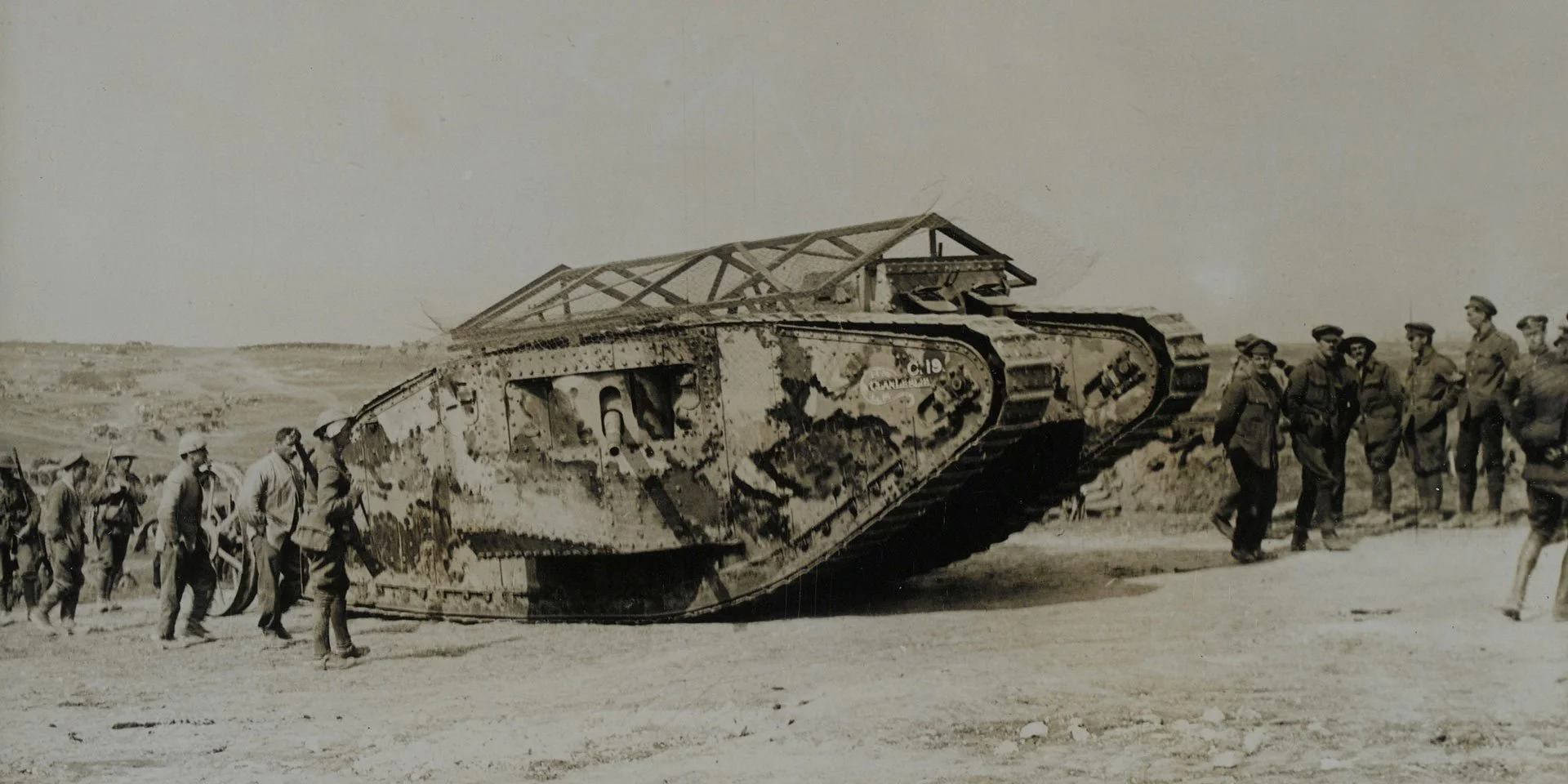
110 years ago - The Battle of the Somme 1916
The 1916 Somme offensive was one of the largest and bloodiest battles of the First World War (1914-18). The opening day of the attack, 1 July 1916, saw the British Army sustain 57,000 casualties, the bloodiest day in its history. The campaign finally ended in mid-November after an agonising five-month struggle that failed to secure a breakthrough. (National Army Museum)