
HONOURABLE MENTIONS

Between motorcycle vests, chrome, and St. Peter's Basilica: The Jesus Bikers and their “Peaceride” to the Pope
Documentary | Duration 34:01 | Director | Svea Celine Wenderoth (Germany)
The Jesus Bikers are united by a common mission: to bring Pope Leo XIV a customized motorcycle.
True to their motto “Pray – Ride – Do Good,” the bike is to be signed by the Pope and then auctioned off
for charity.
But the journey from Altötting in Bavaria to Rome is challenging: long rides, bad weather, and the question:
Will the Swiss Guard even let the bikers in their leather vests see the Pope?
The documentary takes viewers along on the journey and offers insights into the unique personalities of the
Jesus Bikers.
Whether it’s an accident, a prison sentence, or a llama aptitude test—sometimes it gets deep, sometimes it
gets quirky
!!! New version with english subtitles have been uploaded !!!
Director Biography
Svea Celine Wenderoth makes documentaries about fascinating personalities, important issues, and incredible stories. After studying journalism at the Technical University of Dortmund, she completed her internship at Westdeutscher Rundfunk—one of the largest television stations in Europe.
There, she worked as a reporter covering economic policy and feature stories. This experience shaped her distinctive style: relentless curiosity, sharp visual pacing, and always a touch of humor.
Whether she’s riding along with leather-clad Christian bikers on a high-octane pilgrimage to the Pope, filming in prison with dangerous criminals, or editing films about children with autism in Eritrea—she is drawn to unvarnished stories that put people at the center.
Director Statement
As a kid, I always wanted to be Karla Kolumna—a fictional, lively journalist in a children’s radio play set in a zoo.
Well, what can I say? Somehow, that’s exactly what I became.
One more thing: While everyone else is working on their iPads, smartphones, and laptops, I prefer to go old-school with a pen and a notepad.
We Year
Experimental | Duration 11:00 | Director | Sop (United Kingdom)
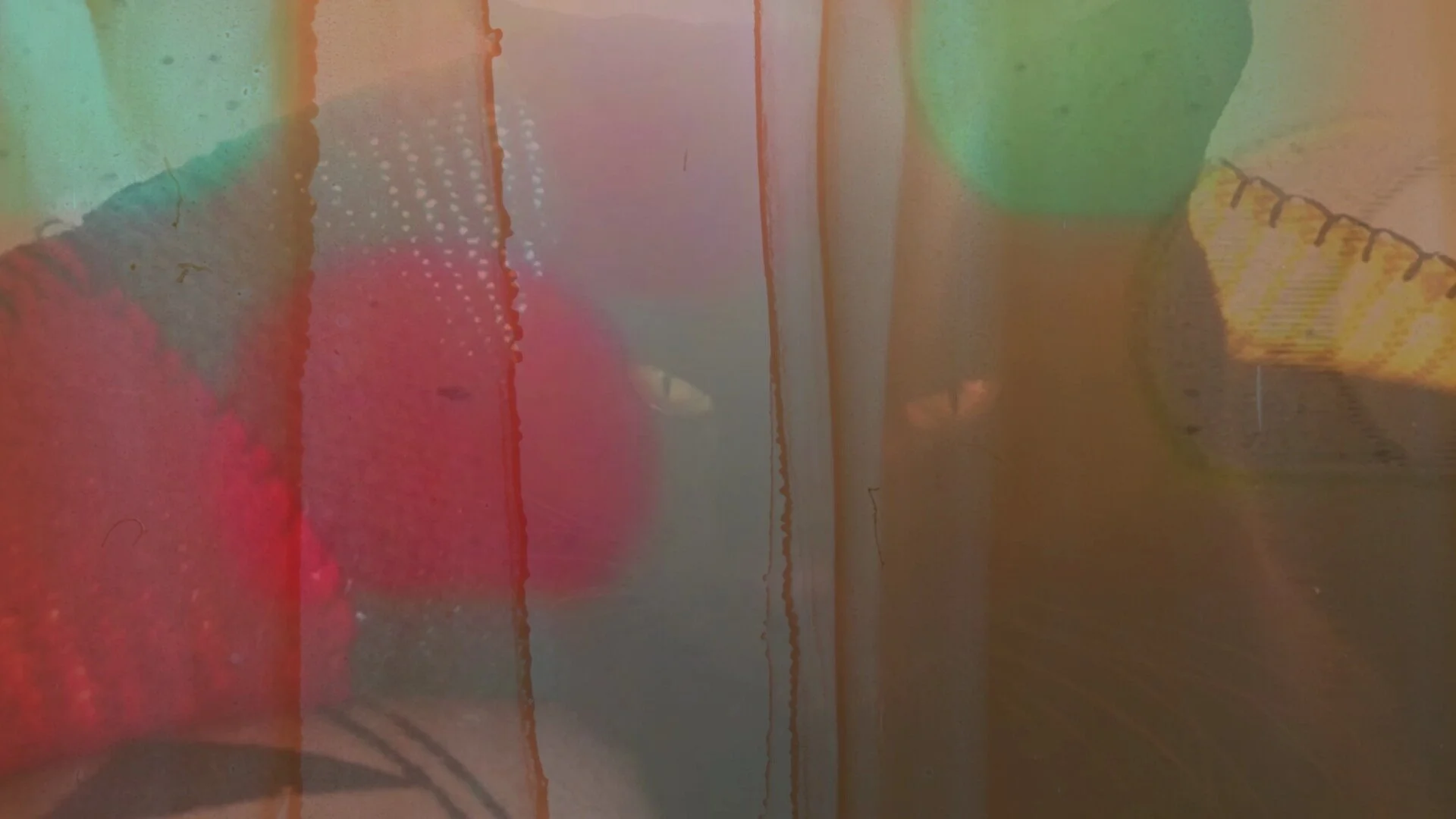
A creative non-fiction film, ‘We Year’ portrays a narrowed and claustrophobic view of a hot summer indoors whilst experiencing an ME/CFS relapse. Houseplants die from a lack of care, insomnia thrives, there are battles with medication and stinky t-shirts, and the domineering presence of a wearable overarches all. A 16mm direct animation translation of this wearable’s ‘energy bars’ acts as a running measure of ‘crip-time’; Hi8 footage from the artist's archive of the outdoors sits next to digital footage of their immediate inside-the-house world; and a narrative - at times claustrophobic, ritualistic, or joyfully expansive - meet to describe the knotty, non-linear, chronically ill experience, with the curtailments that they must endure. Meant as a (love) letter to other people with energy limiting conditions, the artist ends with a message of solidarity: that we do not walk this path alone, even if we often are alone.
Director Biography
Sop (they/them/theirs) is a torn and crooked leaf, a root embedded in the dirt, a shoot reaching to the sky. An artist working in crip time with sound, performance, writing, film and sculpture.
They work primarily with nature which they use as a portal to interrogate their own experience of existing in a chronically ill body, and how other disabled and chronically ill bodies interact with and relate to nature and the natural world. Their work tends to centre modes of sociality, beginning with personal narrative, then expanding through dialogue with their crip community to include other bodies’ concerns. They have an interest in esoterics and mediumship, and health practices including somatics and meditation.
They have shown work at Wellcome Collection, British Museum, ICA, Cubitt, LUX, and Whitechapel Gallery; and their work is included in publications ‘Documents of Contemporary Art: Walking’. Ed. Tom Jeffreys; ‘Botanical Architecture: Plants, Buildings and Us’, by Paul Dobraszczyk and ‘Bodies of Sound’. Eds. Irene Revell and Sarah Shin.
Maria the Undesirable
Documentary | Duration 01:16:30 | Director | Clément Bastie (France)
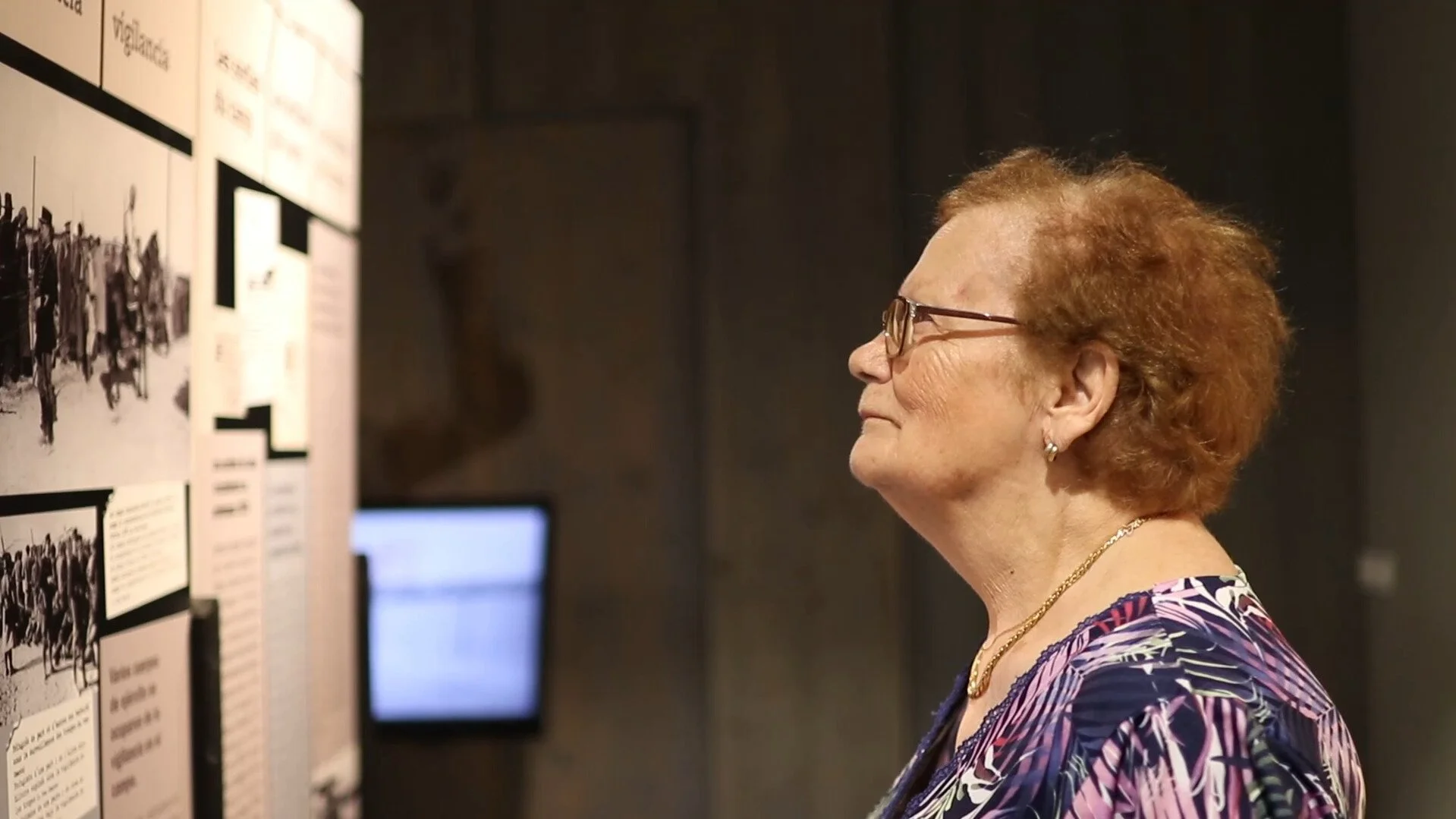
In 1939, seven-year-old Maria fled Franco’s Spain and took refuge in France, where she was interned with her family in several camps. Eighty years later, her grandson records her testimony and takes her back to the places where she was deprived of freedom, in a deeply personal journey through exile, memory and transmission.
Director Biography
Clément Bastie is a French biology and geology teacher and the father of three young children. For many years, he shared a close bond with his grandmother, Maria, who had long remained silent about her childhood in French internment camps after fleeing Franco’s Spain.
After becoming a father, he felt the urgency to preserve and transmit her story. Initially conceived as a family film, Maria the Undesirable gradually became a feature documentary combining testimony, family memory, archival material and historical context.
Self-taught in filmmaking and editing, Clément Bastie wrote, filmed, edited, produced and directed the film independently, in parallel with his work as a teacher. Maria the Undesirable is his first feature documentary.
Director Statement
This film was born from a long-held desire.
As a child, I was always very close to my grandmother. I constantly asked questions about everything. I was still very young when she first told me about her experience in the internment camps. After decades of silence, her story gradually began to emerge.
She later devoted a large part of her life to speaking in schools, sharing her experiences with students of all ages. Passing on her story had become a necessity for her. For my part, I always carried the idea that one day I would do something with her testimony. The birth of my children changed everything: it created in me an urgency not to let this memory disappear.
At first, I never imagined making a film. I simply intended to create a video for the family, in continuity with the annual films I make from our personal archives. An intimate object, intended for our relatives.
I began filming Maria in 2021. During hours of interviews, she recounted her childhood with precision, strength, and sometimes humour. Very quickly, it became clear that we needed to go further: to return with her to the places where her story had unfolded.
We made this journey together: Maria, her daughter (my mother), my children and myself. Four generations reunited to visit the places where she had been interned as a child. This family and historical journey, through both space and time, gave a new dimension to her story.
During the long editing process, the film changed in nature. When filming began, Maria was still there to tell her story herself. Her sudden passing during the making of the documentary profoundly transformed the project. What was meant to remain a family document became a responsibility: preserving a voice that had become irreplaceable.
The evocative power of exile, the singularity of Maria’s journey, but also what it reveals on a universal level, made me realise that it would be a shame to confine such testimony to the family circle alone. The film became a way of extending the work of transmission to which she had devoted so much of her life.
Through these images, her voice, her gestures and her presence continue to exist. This film is an act of transmission, a gesture of remembrance, and a way for me to continue what she had begun.
Gladiator Baby
Documentary | Duration 28:25 | Directors | Ali Sabokbar, Erfan Hosseini (Iran)
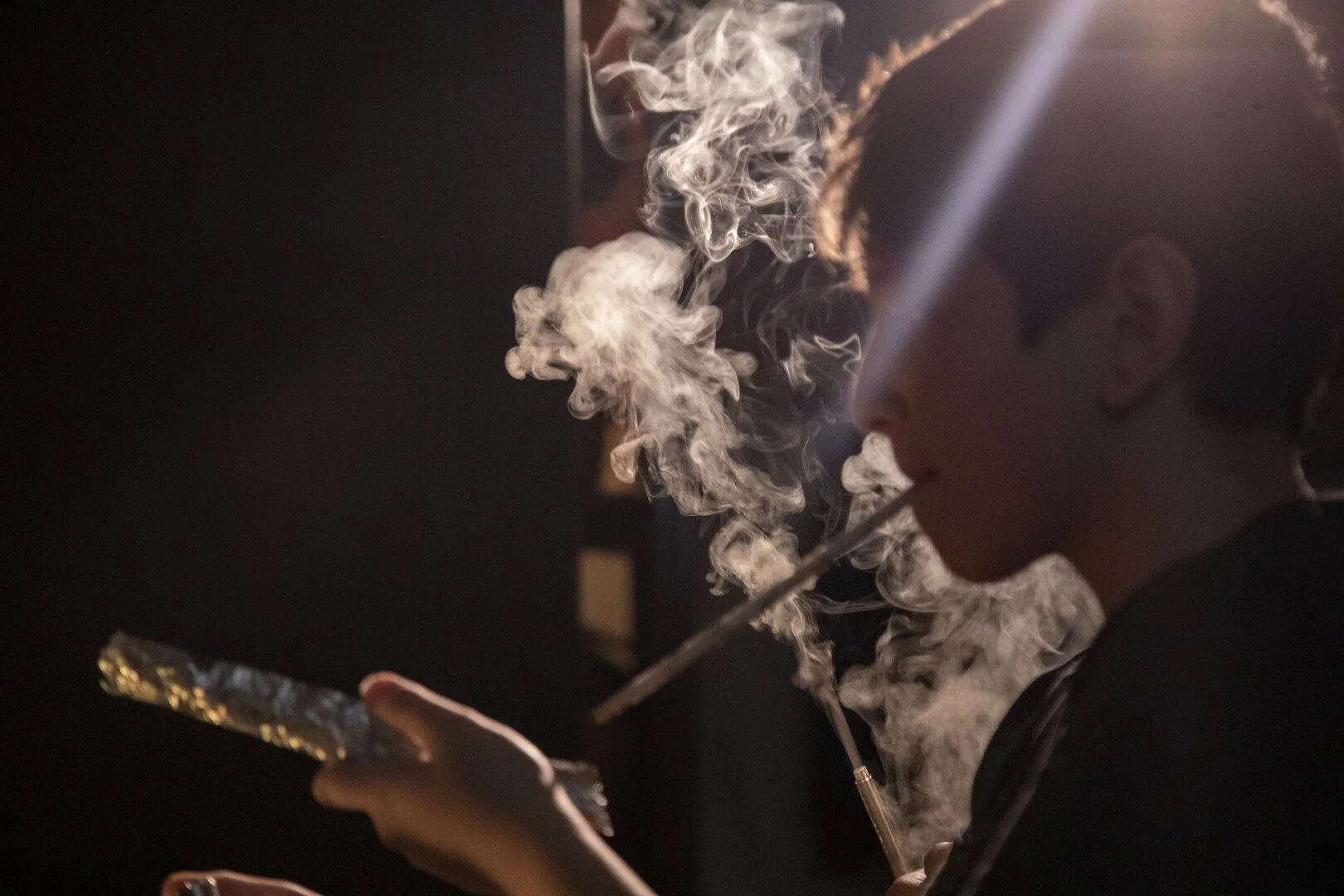
A young girl and a young boy must fight for their goals to pave the way for their dreams — but only one of them can get closer to their destination, and only if they are willing to destroy the other’s dream in the gamble of ambition...
Director Biography
Ali Sabokbar (b. 1999, Tehran iran) is an independent Iranian filmmaker working under censorship and sanctions. He creates self-funded films exploring identity, social pressure, and surrealism. His latest short, co-directed with Erfan Hosseini (b. 1996, Tehran iran)
Director Statement
During the long years of economic and political censorship in Iran—
when the real news behind this story first surfaced—the idea never left me for eight years. It went through nearly forty revisions, yet, for various reasons, the film could not be made. Either the story was denied a production permit, which blocked any possibility of investment, or the country’s unstable economy constantly disrupted and delayed every filmmaking plan.
But after years of patience, a moment arrived when neither I nor my independent team could bear carrying the weight of this pain and idea any longer. I could no longer tolerate more censorship of the story, nor could I ignore its truth—because I had lived a part of this story myself.
Finally, with the help of my independent team and using the small personal funds we had (which brought serious pressure on our own lives), we made this film — despite all financial and political sanctions — to honor independent cinema, uncensored storytelling, and art free from politics.
This film, created through great hardship yet without censorship, is a tribute to all the children and people of my homeland — and of the world.
Ali Sabokbar
Independent Writer & Director – from Iran
NOVEMBER 12
Student Film | Duration 08:02 | Director | Minh Chau Hu (Taiwan)
Director Biography
Minh Hu is a filmmaker from Vietnam and Taiwan and an MFA directing student at DePaul University in Chicago. Her work focuses on women’s perspectives and humanistic themes, often exploring identity, relationships, and cross-cultural experiences. She is particularly drawn to the small yet pivotal moments in life—those seemingly quiet instances that carry profound emotional shifts. Through intimate, character-driven storytelling, she seeks to portray the subtle complexities of human emotions with sensitivity and nuance.
Director Statement
This film grows out of my ongoing preoccupation with interior emotional lives—particularly the invisible currents that shape how they relate, remember, and endure. I am interested in how female experience is often constructed through what is unspoken, fragmented, and left unresolved.
At its core, the film is about the bond between mothers and daughters—a connection that persists not through clarity, but through absence, distance, and echoes of voice. It reflects a quieter form of homesickness: not only for a physical place, but for a version of intimacy that time continuously reshapes.
I am drawn to minor gestures and suspended moments, where emotion does not declare itself but circulates beneath surfaces. In this film, silence is not emptiness but a form of language; it holds tension, memory, and resistance.
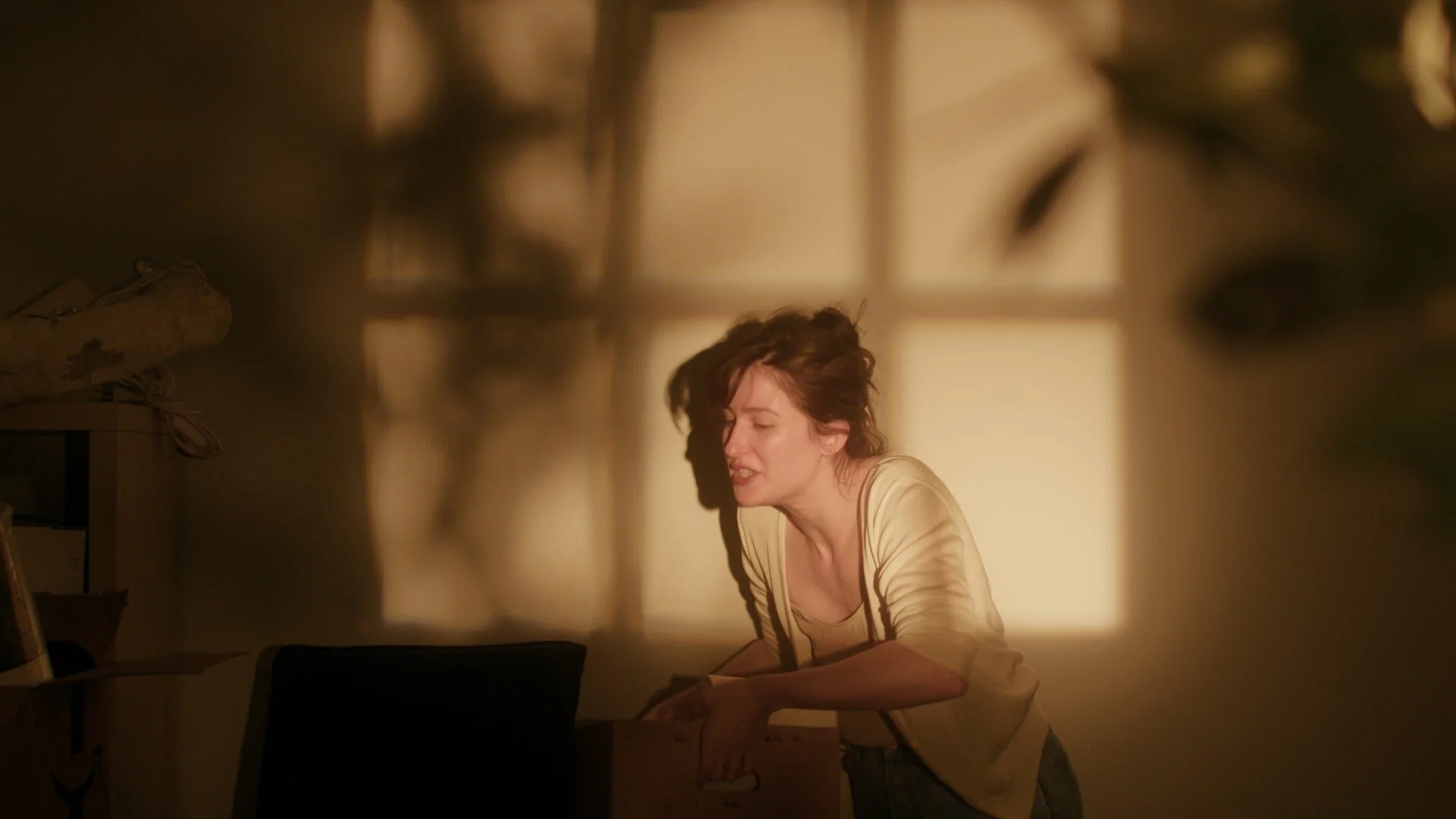
The film’s temporal structure is shaped by twilight—a brief threshold where light shifts into shadow. This transition is not symbolic in a fixed sense, but experiential: a moment where perception loosens, and meaning becomes unstable. Within this passage, the voice of a mother appears and recedes, not as narrative information, but as resonance—something felt rather than fully understood.
Working across cultures and languages, I am interested in cinema as a space of in-betweenness: between belonging and displacement, presence and distance, articulation and silence. This film seeks to inhabit that space, rather than resolve it.
Attractor
Documentary | Duration 59:00 | Director | Alexey Nemov (Russian Federation)
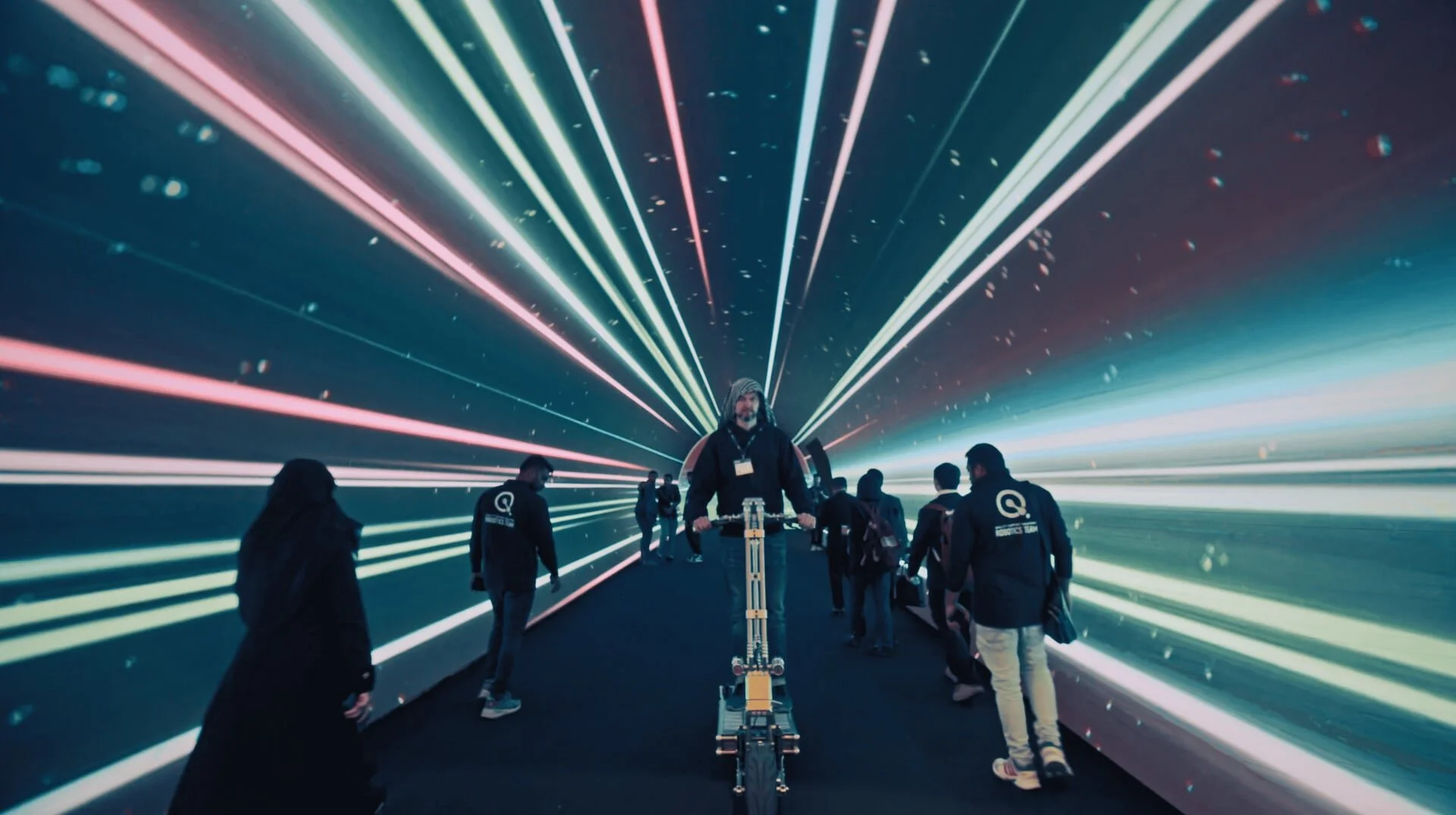
As a result of an accident, the main character lost part of his left arm. However, the injury that caused this loss gave him incredible vitality and allowed him to reach a new level of understanding about human goals and purpose.
"Attractor" is a film about a man who creates and about the central aspect of his life - a business that has acquired state significance today. The hero of the film, Dmitry Kalinin, creates something that provides a boost of creative energy to many; he brings to life the boldest ideas and dreams of young engineers, inventors, and craftsmen.
To create prosthetic devices, sophisticated equipment, and qualified personnel are needed. Thus, the first workshop equipped with CNC machines and engineers appeared in a village. Dmitry began to search for enthusiasts with interesting ideas all over the country and invited them to his village, providing them with support.
With a decent standard of living, they built a hotel, a workshop, and provided materials for testing prototypes. In addition to the main storyline in the film, which reveals the character's personality and life principles, there are several secondary storylines that develop. These include monitoring the development of existing projects in the field of electric transport, creating a prototype of a manned multi-rotor aero taxi, sound monitoring, and the process of building the most important infrastructure and research hub.
Each engineer in the team has an outstanding personality and claims to have their own separate film, but they are all united by the main character - a bright and multifaceted man with unique vitality. This is a motivational film about perseverance, overcoming obstacles, success, and creating your own significant business.
Director Biography
Born in Kazakhstan in 1980, I am an engineer by training, though creativity claimed me long before my diploma ever did. Fleeing the factory floor on my very first day, I found my way to a television studio. This marked the beginning of a journey from video editor to the Technical Director of a state TV channel.
My path then led me through the world of advertising as a copywriter and producer, culminating in a move to Russia. There, I made a pivotal decision: to merge my engineering background with my passion for cinema. In 2011, I built one of the country's first camera drones, a creation that would define the next decade of my life. I went on to construct unique aerial platforms, including a giant drone for the Disney film Big Hero 6's promotional campaign, and shot aerial cinematography across the globe— from the diverse landscapes of India to a stint in Singapore, where I launched a film company and planned a new chapter, until the pandemic altered our world.
As a Director of Photography, my work has contributed to films that have garnered international recognition. The pinnacle of this chapter was winning the Best Cinematography award at the China Academy Awards of Documentary Film (CAADF) 2023 for the film Saint Archipelago.
In 2024, I stepped into the director's chair for the first time with Point of Attraction, a film shot on location in the UAE, Saudi Arabia and Russia. The film has since received multiple accolades:
· Shortlisted for Russia's prestigious national film award, the Nika Award.
· Winner of the "Hero of a Big Country" National Film Award in the "People of Labor" category (2026).
· Winner of the "Salt of the Earth" Film Festival (2025).
Director Statement
A director carries a profound responsibility — not only for every word spoken on screen, but for the emotions and thoughts that linger with the audience as they leave the theater. I wanted to make a film that breathes life back into tired lungs. A story that wraps around you and whispers: Look — if he can still create, still love, still rise after falling — then so can you.
Life, as we know it, is not easy. It bends us. It breaks us. And in those moments, we come to the cinema not just to escape, but to remember why we keep going. This film is my letter to that quiet voice inside us all.
My greatest hope is that you leave the theater not just moved — but with your belief in yourself restored.
Covenant of Blood: The Last Soldiers of World War II
Documentary | Duration 42:00 | Directors | Patrick Ney, Stefan Tompson (Poland)
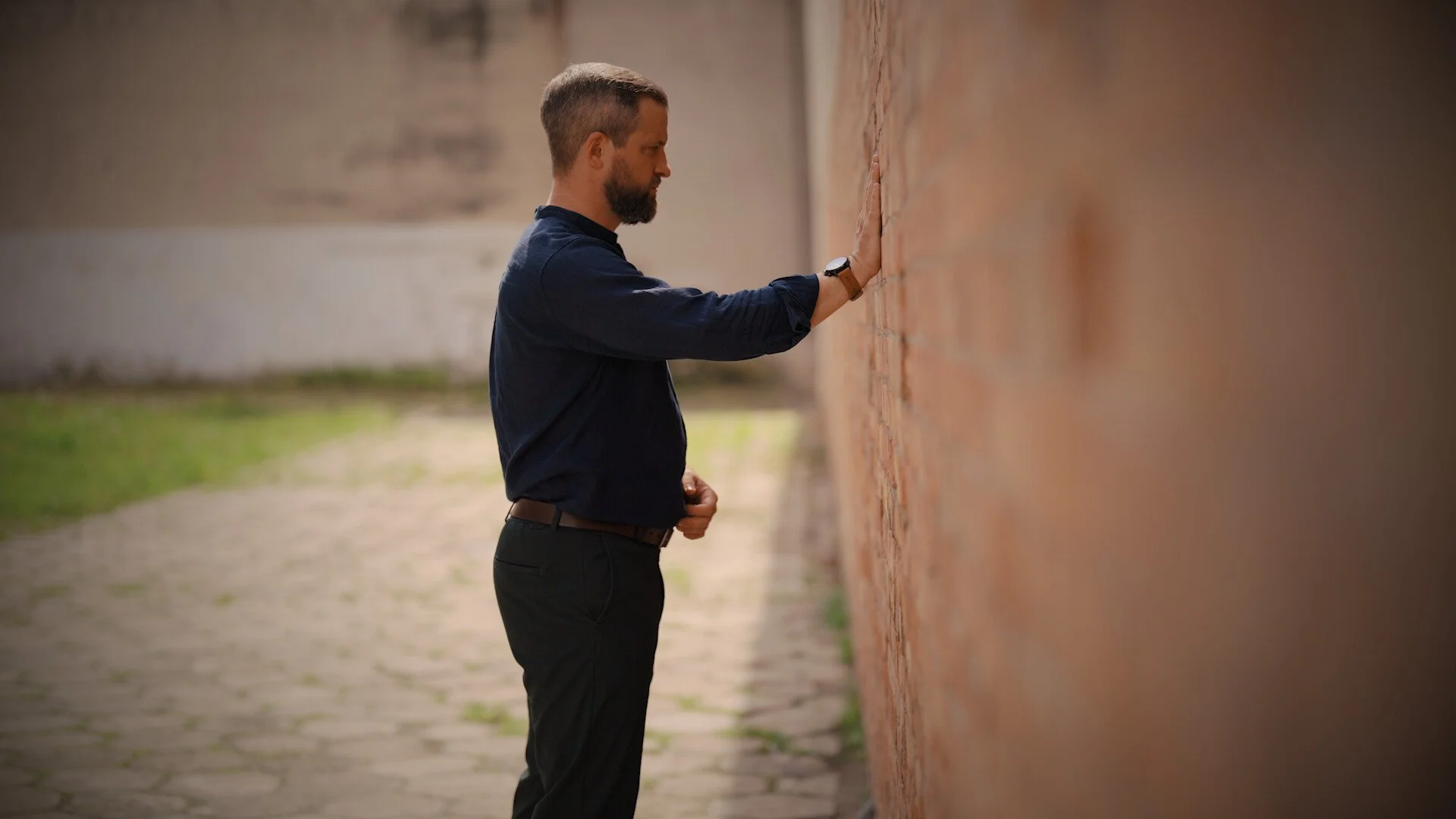
At the end of World War II, Polish freedom fighters—victors against Nazism—faced a new enemy: Soviet-imposed communism. Refusing to surrender, hide, or collaborate, they waged a desperate, underground war for Poland's true independence. Tortured, hunted, and repressed, these last soldiers remained unbroken in their oath of blood. Their impossible struggle helped pave the way for Poland's eventual freedom. A never-before-told story in documentary form.
Director Biography
Patrick Ney is a British Polish film maker with more than 170 million views of his history and culture films. He is a multiple award-winning actor and director. He has 240,000 followers on his social media channels.