
DOCUMENTARIES 2026
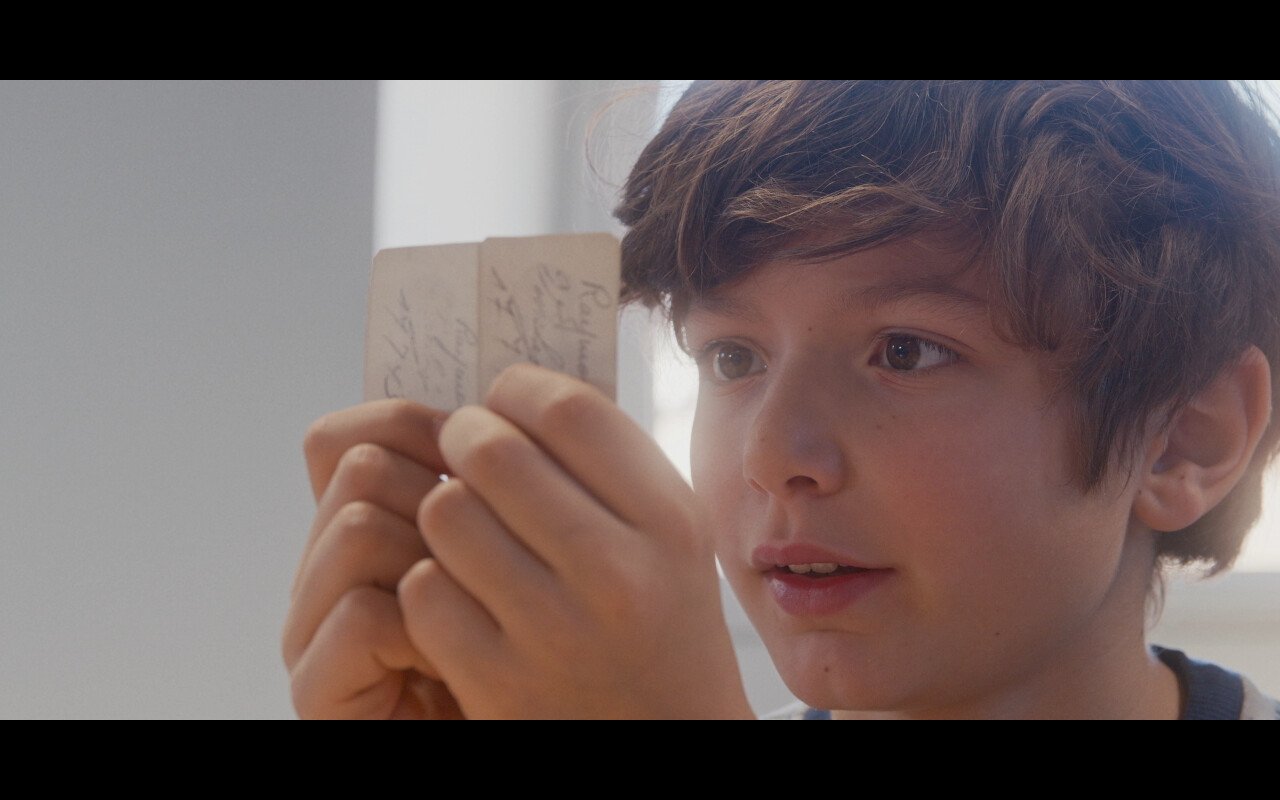
8 seconds
Documentary | Duration 01:18:56 | Director | Jean-Marie Vinclair (France)
In 2005, when filmmaker Jean-Marie Vinclair filmed the unveiling of the ‘Raymond Vinclair’ plaque in the square that will bear his name, he was stunned: why was this relative, who died as a martyr in Germany during the Second World War, unknown to his own family? A few years later, when the filmmaker is married to a German woman and the father of two boys, the spectre of Raymond haunted him and the enigma remained. Parents and children embark on a quest to find the thread of this lost memory.
Director Biography
Jean-Marie Vinclair is a filmmaker who questions memory, transmission and adolescence, and works on a singular form of self-portraiture that consists in seeing oneself through the other. He has made a number of fiction and documentary films, including En partance clandestine with filmmaker Atom Egoyan, La Caméra interdite, My Sweet Hooligan, Le Temps du regard and Contre-Jour. In his latest film, 8 Sekunden, he explores the question of family secrets through an initiatory journey.
AMR - Dying to Change the World
Documentary | Duration 01:08:15 | Director | Alex Tweddle (United Kingdom)
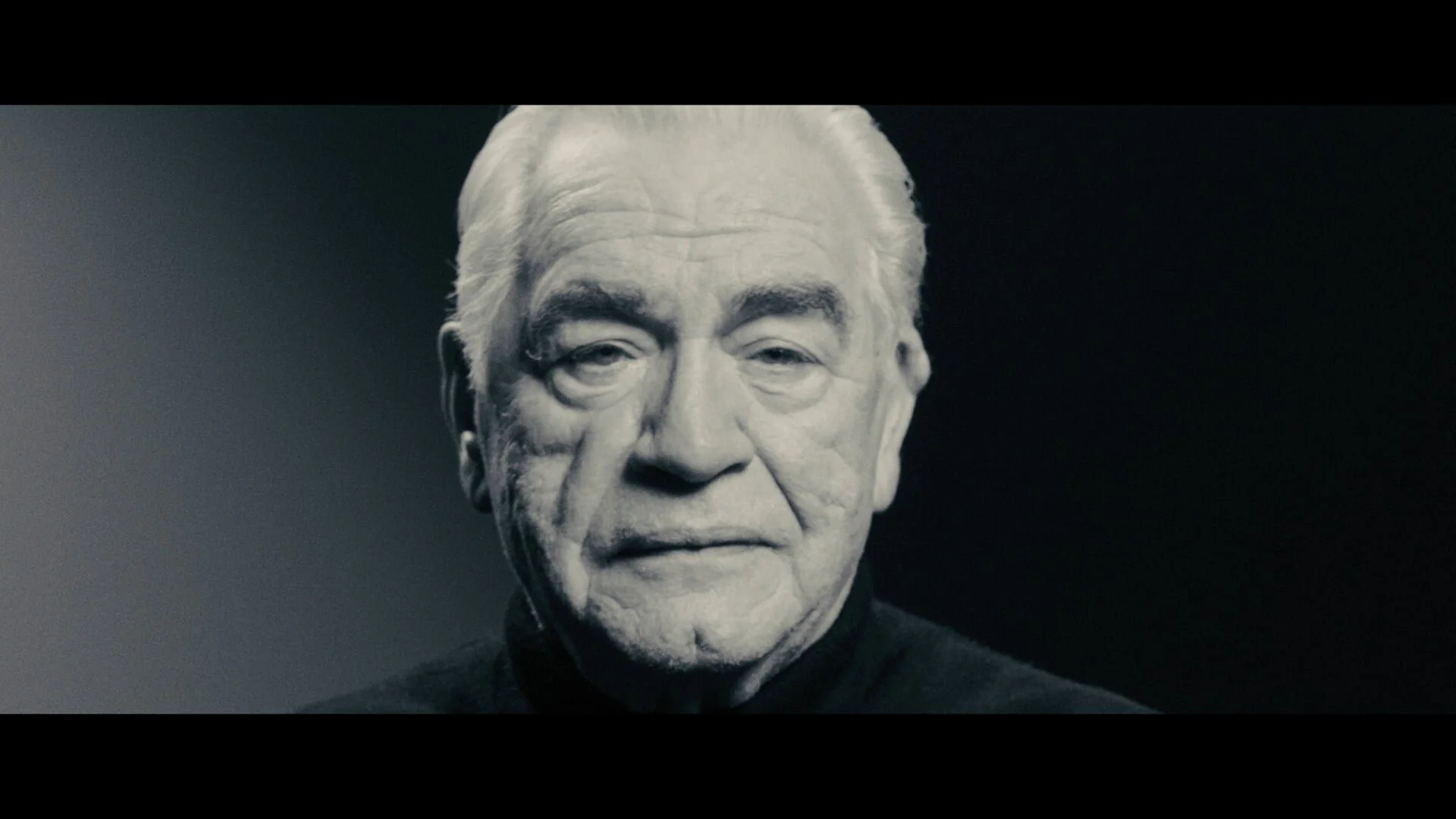
‘AMR – Dying to Change the World’ thrusts viewers into the heart of a looming catastrophe: Antimicrobial Resistance (AMR), the silent threat poised to shatter the foundations of global health, food systems, the environment and economic stability as we know it. This is not just a medical issue—this is an existential crisis. The World Health Organization warns that AMR, the insidious rise of drug-resistant superbugs, now stands shoulder-to-shoulder with the most terrifying dangers facing humanity, threatening to drag us back into a pre-antibiotic era where even minor infections could prove deadly.
The film unflinchingly exposes the root causes, devastating impact and the urgent, radical measures needed to stop AMR’s relentless advance—before we stumble into a new global pandemic, one far worse than Covid-19. This is the warning siren no leader can afford to ignore; action delayed today could mean millions of lives lost tomorrow.
What makes this story unforgettable is the chilling narrative device: we witness the unfolding horror through the eyes of AMR itself, given voice by the legendary Brian Cox (Succession). AMR breaks the fourth wall, speaking directly to us in a manner both intimate and unsettling, before taking on a godlike drone’s-eye view, reveling in its own evolution and unrestrained journey across the globe. It then confronts those on the front lines—scientists, doctors, and innovators—fighting desperately to slow its onslaught. The film’s climax is nothing short of haunting: AMR gazes into the camera, daring us to imagine a world in 2050 where medicine has failed, and our greatest enemy is one we created ourselves.
Director Statement
“This film has relevance far beyond its subject matter. In fact, its relevance draws comparisons to the recent Covid-19 pandemic, having much to say about how political ambition, business ethics, and the media often hinder scientific progress in a game of Russian roulette with the lives of the most vulnerable. As a result of the film, I hope that people will better understand how scientists and science is performed.
Many people will not realise that is a global issue and I want this film to change that, so it doesn’t turn into a death sentence for millions of vulnerable people around the world.
There is clear commercial potential in the project, due to its unique visual style and strong acting talent. But beyond that, the objective is to make the film a world-class documentary that is both unusually imaginative, provocative, and superior in its genre.
I aimed to make it a film that the public, broadcasters, NGOs, and governments will embrace and talk about because they find it moving, gripping and above all, life-changing.”
Beach of Dreams
Documentary | Duration 19:40 | Director | Fotis Begklis (United Kingdom)
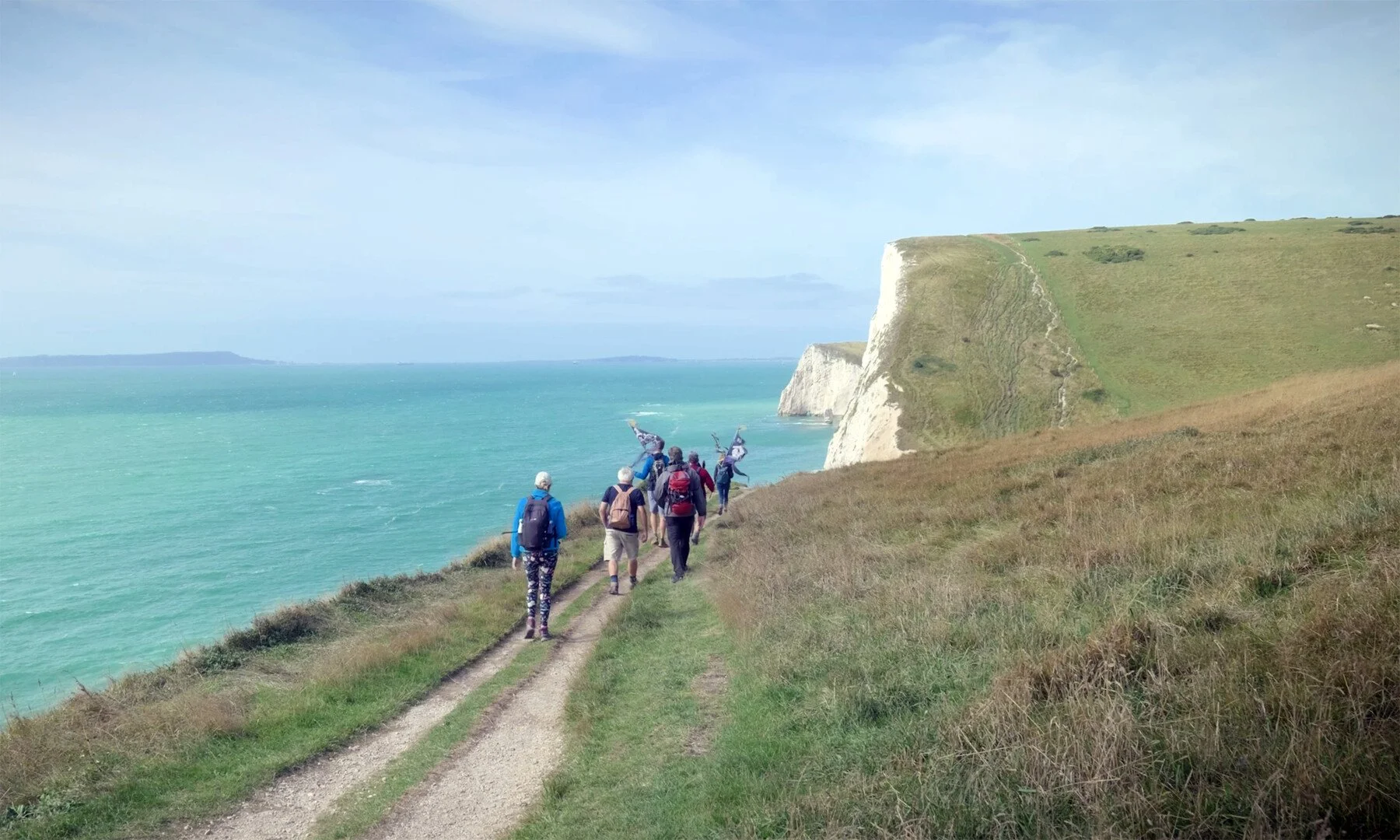
Beach of Dreams is a visual meditation on heritage, resilience, and the urgent need for connection in the face of a changing climate and a fragmented society. The film follows a nationwide creative journey along the UK’s coastline, presented by Kinetika. Exploring the intersection of walking, community art and environmental activism, the documentary examines how collective action can address social fragmentation and the looming climate emergency.
Director Biography - Fotis Begklis
I am a non-fiction filmmaker and educator. I have developed a body of creative work, making documentaries, essay films and experimental non-fiction films. In my work, I am primarily interested in cinema’s ability to evoke thinking and memory and the power of film montage. My films explore the cracks and in-between spaces of documentary and experimental filmmaking as critical and creative media practices and the conditions for initiating change in a social and political transnational context. I have worked with many artists, corporate brands, musicians and local communities and collaborated on innovative educational, historical and artistic projects. I have worked with various underrepresented groups and voices promoting social responsibility and ethical filmmaking through non-fiction film production practices.
Director Statement
Beach of Dreams, a UK-wide coastal arts festival presented by Kinetika, was conceived in response to some of the most pressing challenges facing coastal communities in the UK today – fragmentation, increasing social isolation during and after the COVID lockdowns, and a widespread sense of powerlessness in the face of the climate emergency. It was conceived in response to some of the most pressing challenges facing coastal communities in the UK today – fragmentation, increasing social isolation during and after the COVID lockdowns, and a widespread sense of powerlessness in the face of the climate emergency.
At its heart, the project set out to explore the impact of co-creating artworks on fostering and strengthening emotional connections to coastal landscapes – and whether such connections could lead to more active, empowered communities ready to take positive action.
Through inclusive and creative approaches, participants were encouraged to respond to the challenges of coastal change in imaginative and meaningful ways
Presented by Kinetika in collaboration with national partners, and supported by Arts Council England and Historic England, the festival connected communities across Scotland, England, Wales and Northern Ireland through a dynamic outdoor and digital programme.
Can Lis - Utzon's Hidden Masterpiece
Documentary | Duration 53:07 | Director | Juan Alberto Morillas (Ireland)
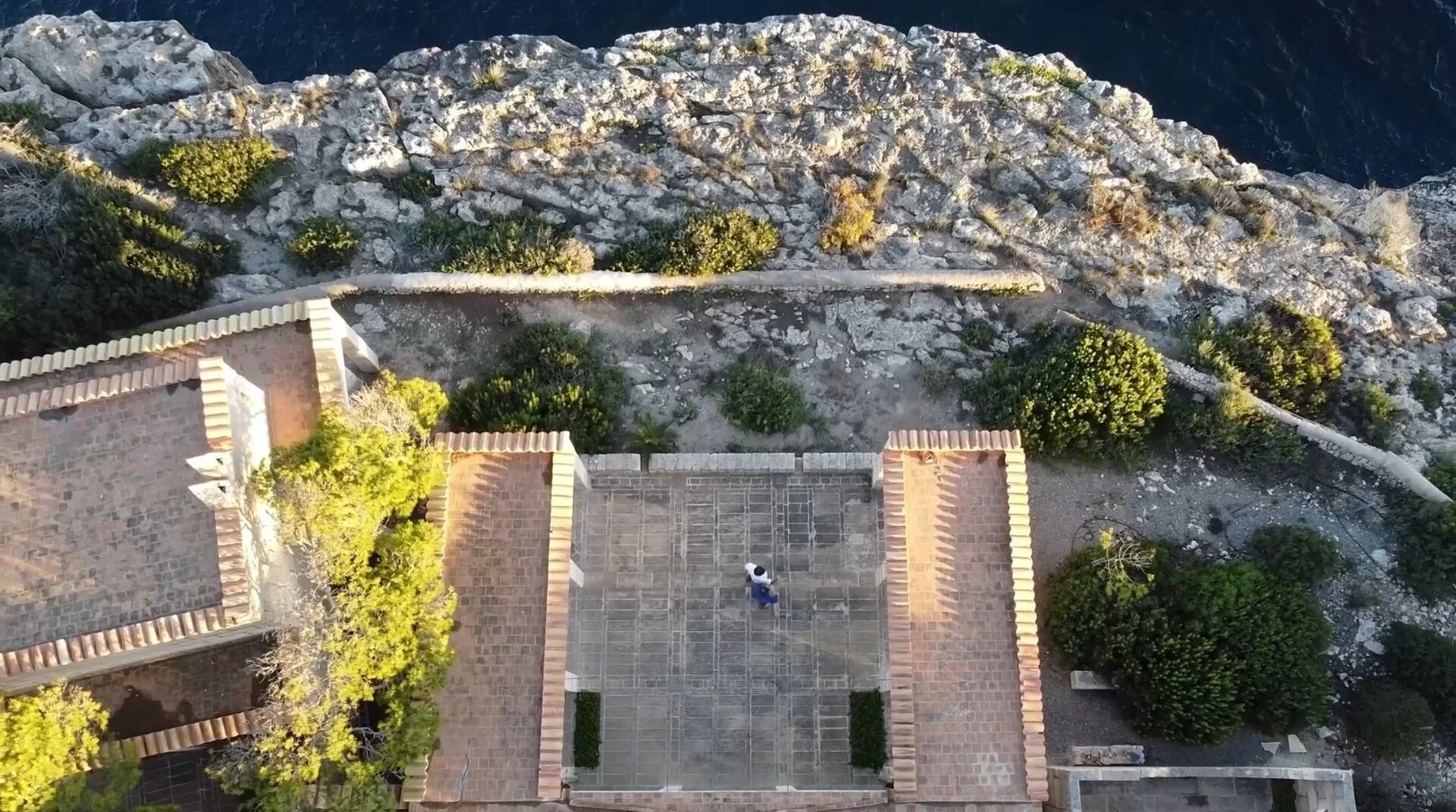
Located on the majestic coast of Mallorca, Can Lis – Utzon's Hidden Masterpiece unravels the history and significance of the iconic house designed by Jørn Utzon, the architect behind the world-famous Sydney Opera House. Through the eyes of two expert architects, we explore how this retreat becomes a timeless example of sustainability, design, and architectural poetry.
The documentary not only highlights the grandeur of Can Lis but also invites reflection on how architecture can respond to its natural surroundings and enrich the human experience.
With an original soundtrack composed by an award-winning Spanish musician, this documentary celebrates the convergence of art, nature, and design, leaving an indelible mark on those who watch it.
Can Lis - Utzon's Hidden Masterpiece invites viewers on an extraordinary journey through the architectural brilliance of Jørn Utzon, the legendary mind behind the Sydney Opera House. Nestled on the cliffs of Mallorca, Can Lis stands as a testament to sustainable design long before the term became a global concern. With local materials and a deep respect for the island’s natural environment, Utzon crafted a home that harmonises with its surroundings while embodying his architectural philosophy.
Director Biography - Juan Alberto Morillas
Juan A. Morillas is an Architect renowned for his innovative approach to sustainable architecture. He is the founder of Share Your Green Design, a pioneering platform promoting sustainable design practices, and co-founder of Loop Your Spare, an initiative platform driving the circular economy through material and products reuse. Juan Alberto is based in Dublin, Ireland, where he works as Head of Sustainable Design at John Sisk & Son, the largest construction company in Ireland, where he leads projects focused on design efficiency, material optimisation, carbon reduction and circular economy. This is his first film project, marking an exciting foray into this fascinating world. While his background is not in cinema, his experience as an architect, storytelling and his passion for sustainable design gave him a unique perspective to tell visual stories that explore the intersection of design, the environment, and people. As a director, his multidisciplinary approach enriches the documentary, offering a fresh and profound look at how design and sustainability can transform our environments.
Director Statement
"In life, there are moments that define us, and for me, visiting Can Lis in 2022 was one of those moments. This documentary is the result of three years of discovery about Can Lis, Mallorca, Utzon, but also about what is truly important in architecture and life. Can Lis is much more than a house. It is the materialisation of a way of understanding the world. And that is what I have tried to convey with this documentary."
Endolife
Documentary | Duration 12:38 | Director | Lisanne Van Ingen (United Kingdom)
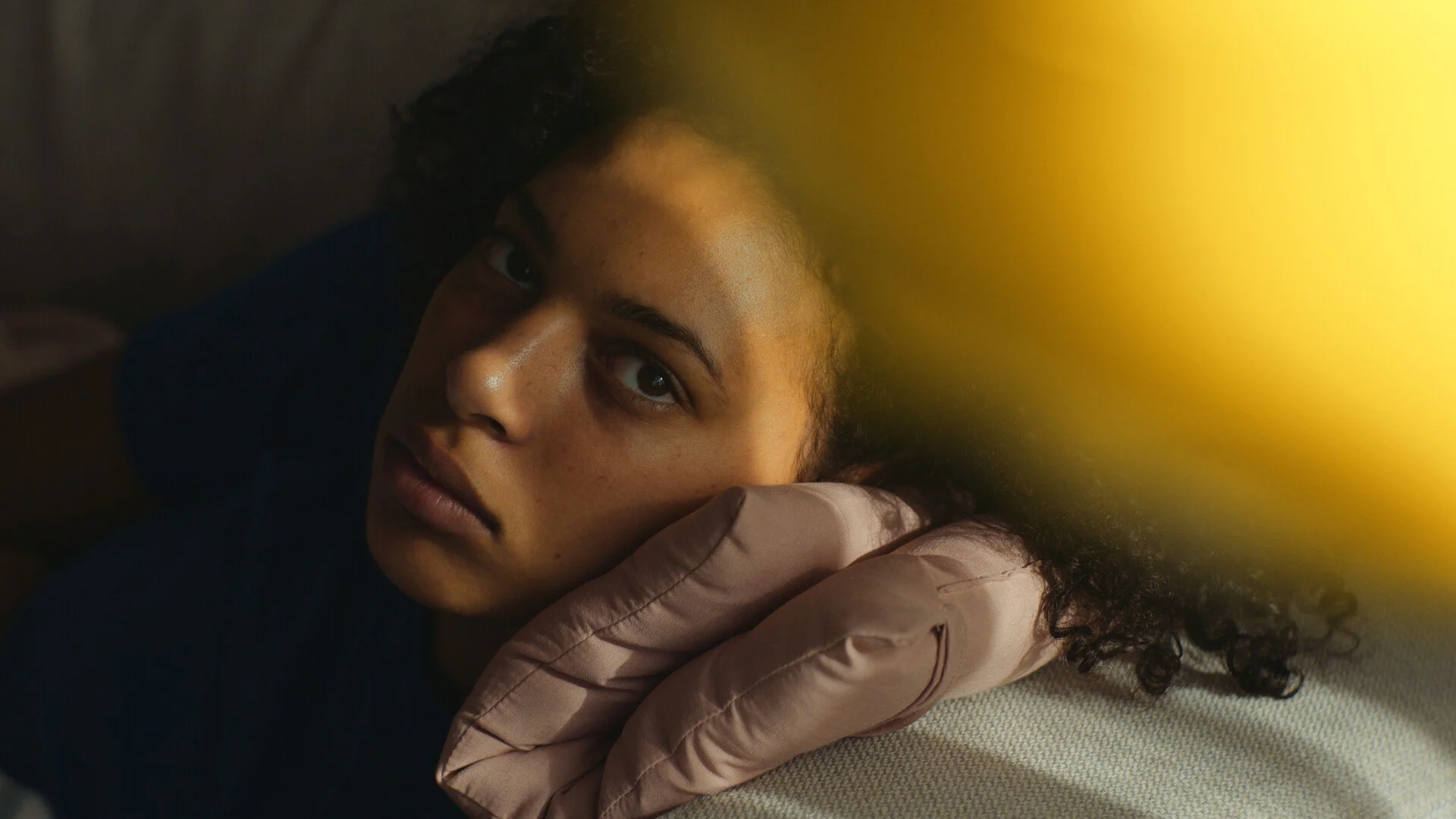
Endolife is a short, hybrid documentary that combines the experiences of over 120 people with endometriosis into a single, scripted narrative. Instead of focusing on the medical aspects of the disease, the film illustrates how it affects daily life. Isolation, depression, and grief, but also transformation and hope, are key themes.
This documentary is the product of an exceptional collaboration of a mostly female crew, with team members currently based in England, Scotland, and Ireland—some just starting out, others with years of experience, but all equally dedicated to raising awareness for this common yet widely misunderstood condition.
Director Biography - Lisanne Van Ingen
Originally from The Netherlands but now based in Norwich, England—Liz has been creating projects for stage, page, and screen for many years. Her short films have been selected for Academy Award-, BIFA- and BAFTA-qualifying festivals across the United Kingdom and Europe. She is currently completing a PhD in on-screen narrative structure at the University of East Anglia whilst developing stories she truly cares about.
Director Statement
Although not a literal representation of my own experience with endometriosis, Endolife is a deeply personal story, and making it has been somewhat of an emotional rollercoaster that turned out to be transformative for me both as someone with endometriosis and as a filmmaker.
My goal in making this film was twofold: I wanted people with endometriosis to feel heard and seen. Our pain is often made invisible. Medical professionals don't listen, colleagues say we're exaggerating, and sometimes even our own family don't believe us when we tell them about our experiences. It is incredibly hard to advocate for yourself under these conditions. Having endometriosis is tough enough as it is—no one should have to fight to be believed on top of that.
I also hope that this film will help 'outsiders' understand how debilitating endometriosis can be, and how the effects of the condition extend far beyond the physical symptoms we experience. In making the film, I didn't want to shy away from showing intimate moments and raw emotion. This is what's happening behind closed doors—and you need to see it.
Endolife is my short film directorial debut, and the first documentary I have been a key part of. For that reason alone, it'll always hold a very special place in my heart. Throughout the making of this film, I have felt truly blessed to work with a diverse mix of exceptionally skilled and passionate creatives. I've loved watching each of them lend their art to Endolife, and add a little something of themselves to it.
Now, it's ready for an audience.
Gageriv
Documentary | Duration 45:00 | Director | Mahmoud Kameli (Iran)
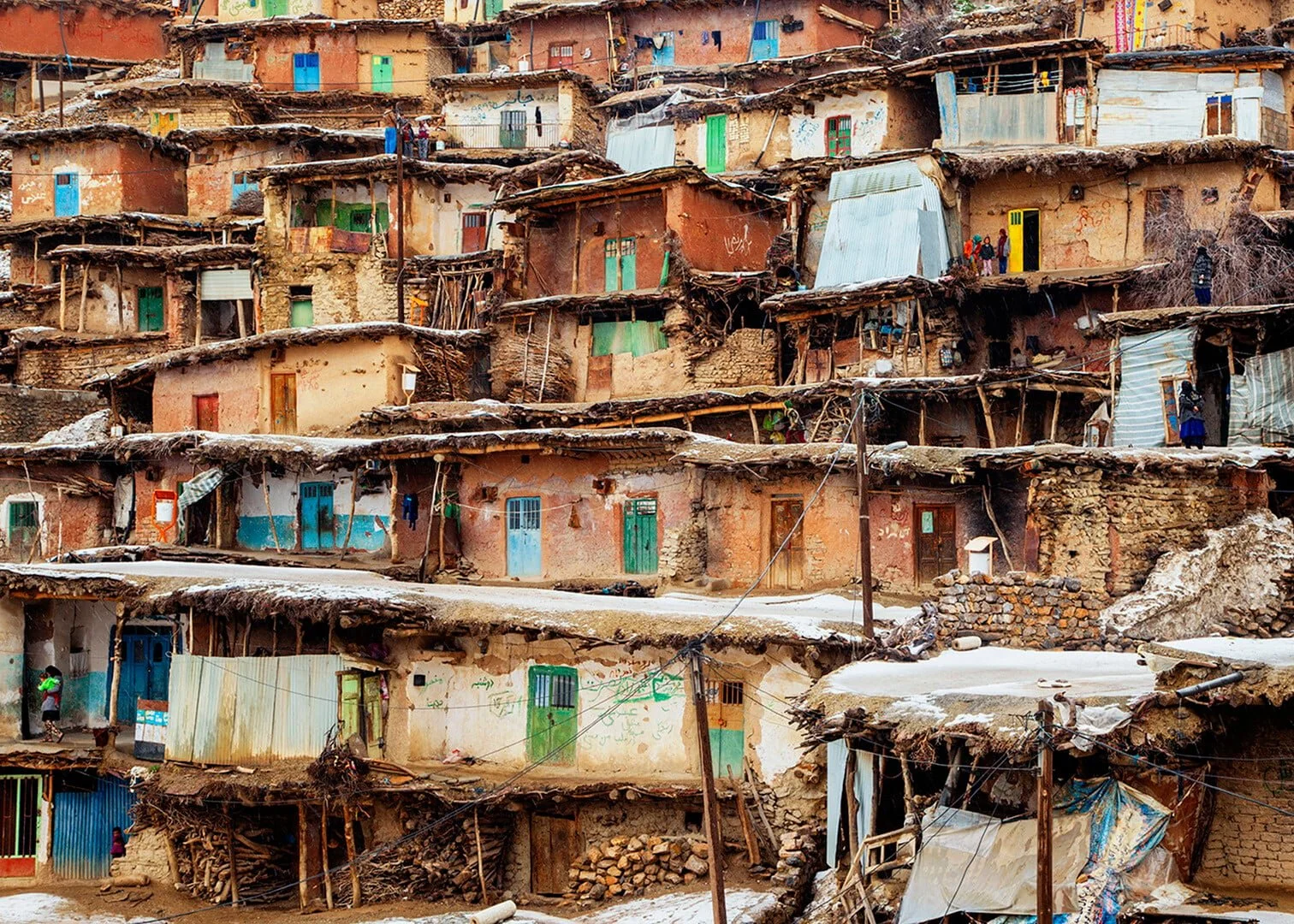
In the heart of the mountains of Chaharmahal and Bakhtiari province, the people of the village of “Sar Agha Seyed”, despite the smell of a corpse lingering in the air of the village, refrain from leaving this place due to their religious beliefs...
Director Biography
Mahmoud Kameli
Born in Tehran, Iran
23 July 1981
Started working in cinema in 1998
Teacher, cinematographer, producer, and director
Member of the FIAP Art Photography Federation of France
Member of the Turkish Sille Sanat Sarayi
Photography Club (the first and only Iranian photographer)
Member of the Iranian Focus Photography Club
Member of the khaneh Cinema
Produced 30 short fiction and documentary films
Directed 26 short fiction and documentary films
Short fiction film "First Station" (2017)
Producer, director, writer
Short fiction film "Aphrodite" (2016)
Producer, director, writer
Documentary film "Sublime Art" (2016)
Producer
Documentary film "Love's Lane" (2015)
Director
Short fiction film "Cursed Night" (2015)
Producer, writer
Documentary film "Sweeper of the Spring" (2014)
Director
Documentary film "Classic Car" (2014)
Director, producer
Documentary film "Ten Minutes to Five" (2012)
Producer, director, writer
Documentary film "Conference" (2012)
Producer, director
Short fiction film "Return" (2011)
Producer, director, writer
Short fiction film "Looking Ahead" (2011)
Producer, director, writer
Awards:
Artist Honor Award from FIAAP France 2021
Honorary Diploma from ISK Kul Photos Festival Kyrgyzstan 2021
Received two Honorary Diplomas from Somoni Tajikistan Photo Festival 2020
Artistic Activity Certificate of Appreciation from Turkey 2019
MTN Ribbon from Kumanovo Photo Festival Macedonia 2018
Silver Medal from Konya Turkey Photo Festival 2017
Certificate of Appreciation from the Sublime Art Exhibition for the documentary film "Grace in Iranian Art" from the UAE 2014
Letter of Thanks from the Youth Cinema Association for teaching in 2014
Certificate of Appreciation from the First International Non-Aligned Movements Scientific Conference (ISCNAM) as director and producer of the documentary film "Conference" 2012
Festival Nominations:
Best Director nominee at the Sheshat Pakistan Festival for the film "First Station" 2018
Best Film nominee at the Extreme Texas Festival in America for the film "First Station" 2018
Best Film nominee at the European Online Festival for the film "First Station" 2018
Best Film nominee at the Kowsar Festival for the film "Night Shift"
Director Statement
In Bakhtiari dialect, "Gagriv" means crying and lamenting over the loss of a loved one. The film "Gagriv" is not about crying and lamenting over losing an individual; it is about losing basic human rights, about losing humanity.
"Gagriv" was filmed in the village of Sar-e- Agha Seyed in the Kouhrang district of Chaharmahal and Bakhtiari province, a village with around four thousand inhabitants and three hundred houses, none of which have toilets or bathrooms. Hygiene has no meaning in this village, and the people live in poverty and misery. The villagers are not willing to leave because their religious beliefs, promoted by religious figures among them, have instilled fear and terror in them. The fear and terror of leaving the village, a village with a shrine that has become a source of income for religious leaders. According to their religious beliefs, anyone who leaves the village is cursed by the shrine and God.
Some of them, despite having good financial conditions and the ability to live comfortably in other cities, choose to stay in this village. In a village lacking basic health facilities, in the village of Sar-e- Agha Seyed , which has nothing but religious deceivers who accompany the people to the brink of death.
"Gagriv" is a cry for the absence of human rights in Sar-e- Agha Seyed.
The Essex Ways
Documentary | Duration 01:17:00 | Director | Thomas Winward (United Kingdom)
Director Biography
Thomas is a UK-based filmmaker. After nearly ten years producing films for brands including American Express and National Geographic, he now specialises in creating documentaries that explore reconnecting with nature in a distracted world.
Director Statement
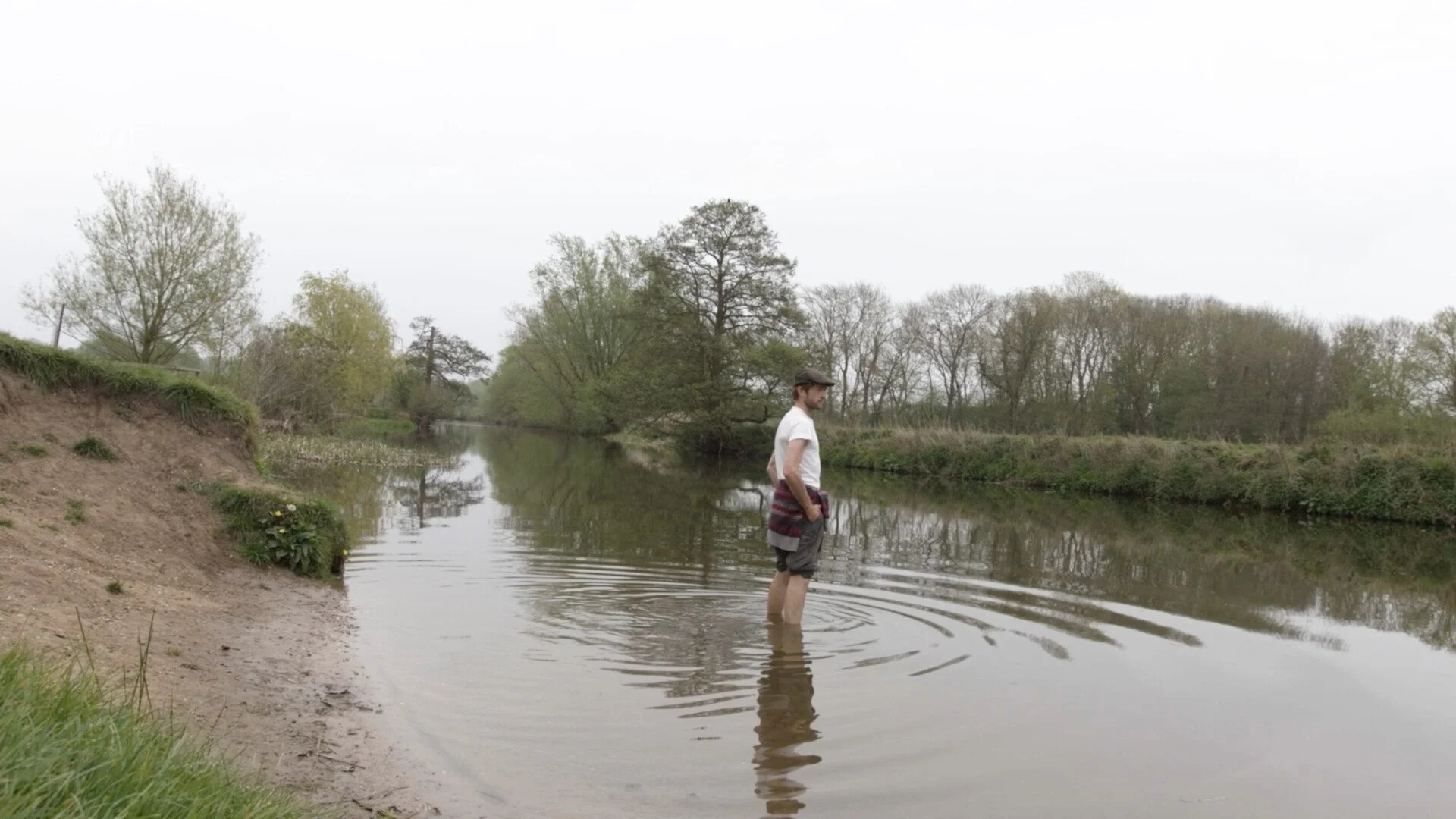
The Essex Ways is a love letter to Essex, mine and James's home county. With the support of Essex Arts & Cultural Fund, James asked me to document his 21-day, 400km walk around Essex and I jumped at the opportunity. Essex is a misunderstood, misrepresented place and this film sets out to dispel its stereotypes and explore what it means to call a place home.
Thomas is a UK-based filmmaker. After nearly ten years producing films for brands including American Express and National Geographic, he now specialises in creating documentaries that explore reconnecting with nature in a distracted world.
The Wall
Documentary | Duration 26:33 | Director | John Robert Lee (United Kingdom)
The Wall is an intimate portrait of families living with the unseen weight of mental illness.
Through the voices of parents and children, the film explores how mental health struggles ripple through family life: a single father navigating borderline personality disorder while raising his young son; a mother supporting a partner through cycles of psychosis while protecting their daughters; and families shaped by trauma, grief, and survival. Their stories reveal moments of fear, confusion, and isolation but also unexpected tenderness, humour, and love.
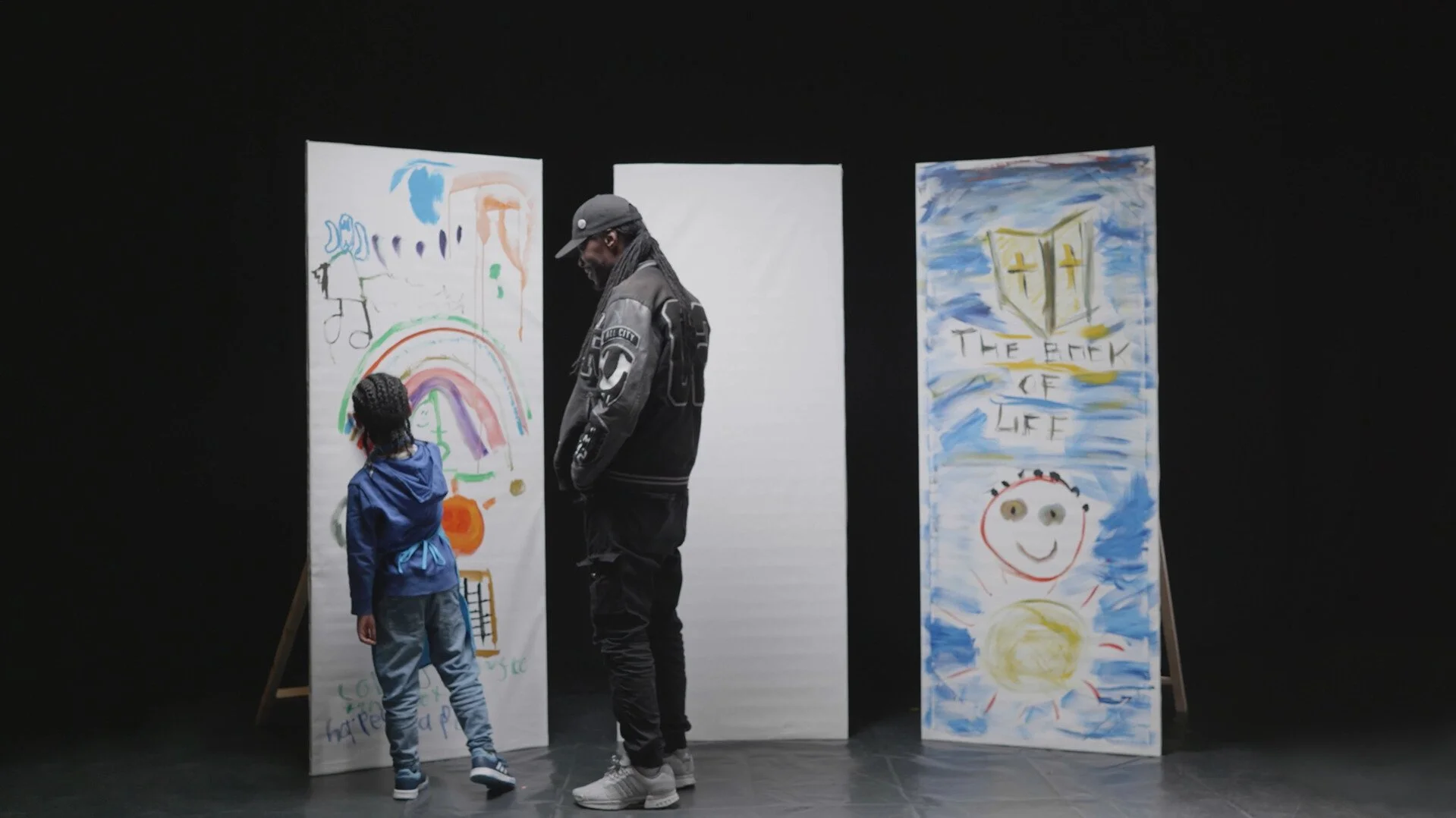
At the centre of the film is a simple but powerful idea: the “wall” that families build around their feelings. In workshops and shared spaces, parents and children begin to break down that wall together, learning to speak about emotions that once felt impossible to name. Drawing, storytelling and conversation open pathways to understanding, allowing children to see their parents not only through the lens of illness, but through love, effort, and humanity.
The children’s perspectives bring a rare clarity to the film. A son helps his father navigate through his moments of brain fog. Daughters recall the day they saw their father again after months apart. In these small moments, the film reveals how children process complex realities with remarkable empathy and strength.
The Wall is ultimately a story about connection: about families learning that they are not alone, and that even in the darkest moments, love can begin to break through the barriers that silence creates.
Director Biography
John Robert Lee is a documentary filmmaker specialising in intimate, human-centred stories that explore identity, social change and lived experience. His work often focuses on voices that are rarely heard in mainstream narratives, combining observational filmmaking with deeply personal testimony to create films that are both emotionally immediate and socially resonant.
Lee’s breakthrough came with his 2020 short documentary Not For Money, Not For Love, Not For Nothing, an animated film offering a rare and reflective insight into the lives of sex workers. By combining real testimonies with animation to protect anonymity, the film allowed women to speak openly about their experiences, loneliness and resilience. The project was widely screened at international festivals and praised for its sensitive and humanising portrayal of a stigmatised subject.
The animation for the film was created by Polish animator Ola Szmida, marking the beginning of an ongoing creative collaboration between the two filmmakers.
With The Wall, Lee reunites with Szmida to explore the impact of parental mental health on family life. The film continues his interest in deeply personal stories that challenge stigma and bring audiences closer to the realities people live through behind closed doors.
UNSPOKEN
Documentary | Duration 51:30 | Director | Maciej Adamek (Poland)
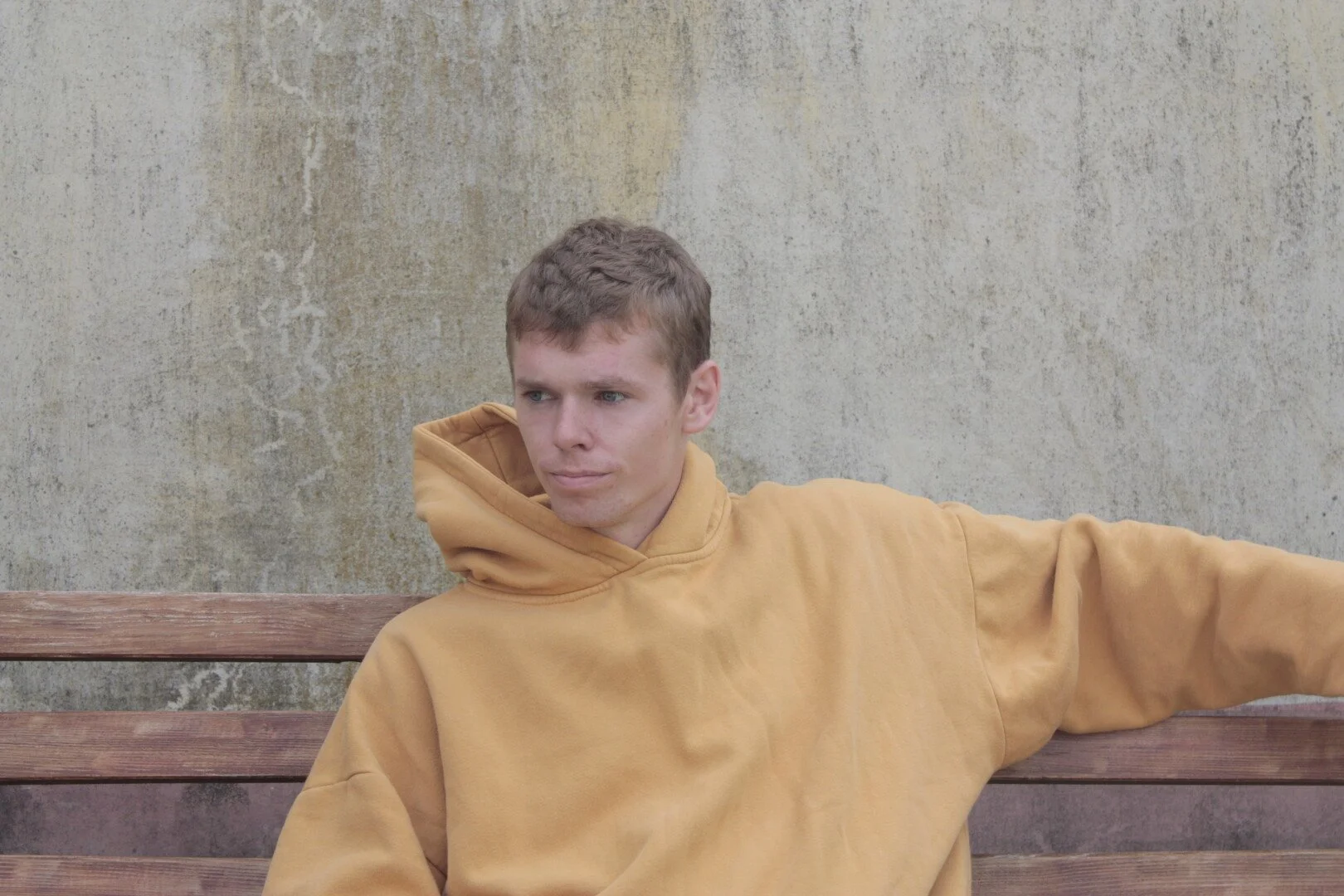
A portrait of 26-year-old Matthew - a young man who stutters and wants to realize his childhood dream. He wants to become a Polish champion in acrobatics.
Director Biography
Director and scriptwriter. Recognized documentary director. Graduated from the Polish philology at University in Gdańsk and directing at the Łódź Film School. His films was screened at few hundred film festivals where received about 90 awards ( at San Fransico FF, Palm Springs FF, AFI Doc in Washington, Shanghai FF , Munich, Toronto, Moscow ,Montreal FF etc.).
Filmography
1. “I will not leave you until I die” documentary 1999
2. “Every day more closely to heaven” doc. 2000
3. “ Competition” doc. 2001
4. “A life to live” doc. 2002
5. “Return” doc. 2003
6. “ I am with you” doc. 2004
7. “ On the road” doc. 2005
8. “Factory” short fiction 2006
9. “ Kids play” doc. 2010
10. “The Photograph” – feature film 2012
11. “Together “ doc. 2014
12. “ Two worlds” doc. 2016
work / memories of work
Documentary | Duration 21:35 | Director | Ektoras Arkomanis (United Kingdom)
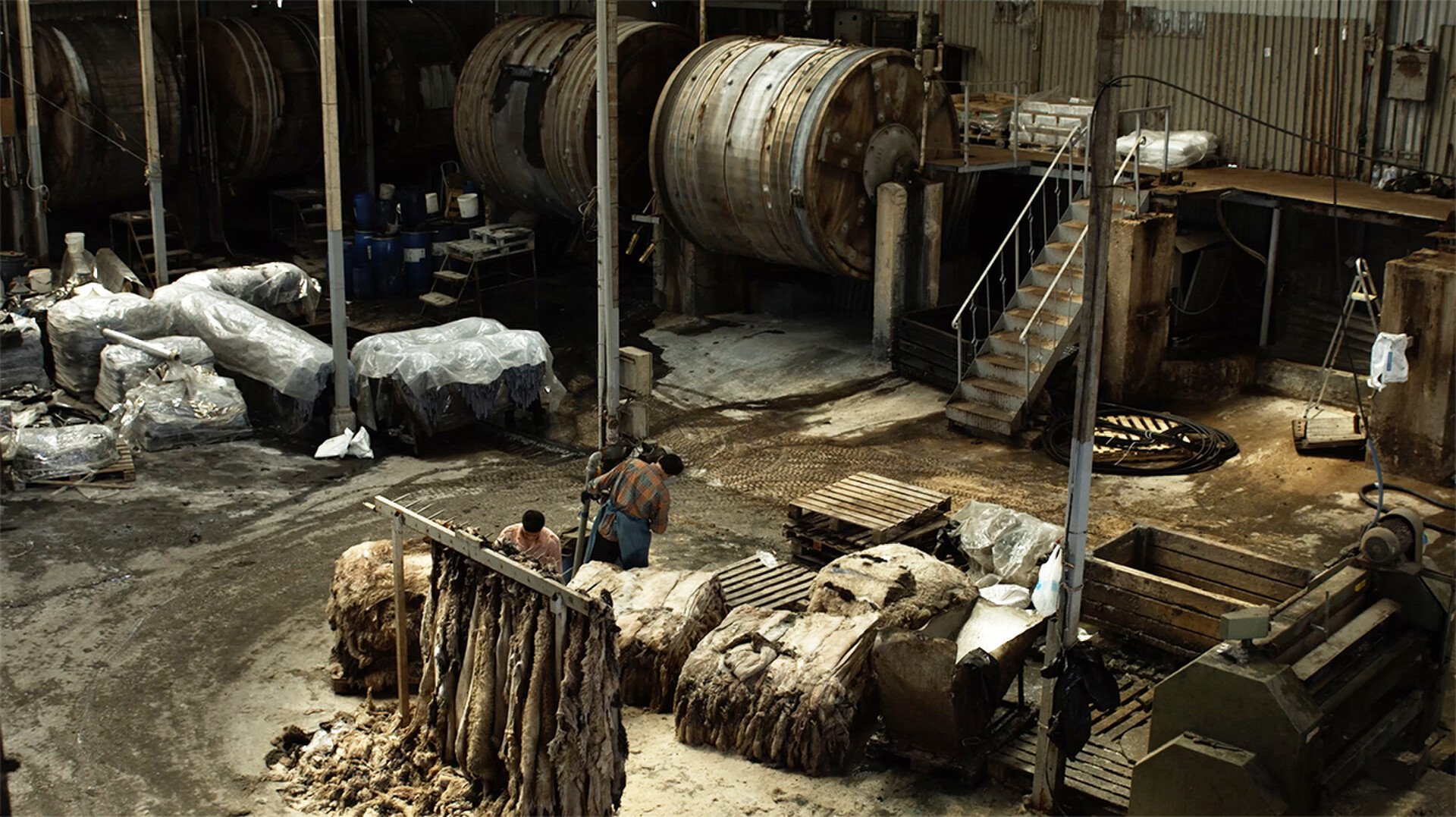
The last days of a tannery in Eleonas, in Athens, are set against a backdrop of work in the surrounding neighbourhoods – scavengers’ markets, old farmhouses, abandoned kilns, people labouring away amid factory ruins and construction sites. Written on postcards which were never sent, the narration is a polyphonic poem with fragments of literature, testimony and collective memory that span centuries. They paint a portrait of Eleonas, a place with many identities – ancient olive grove, infrastructural hub, industrial zone, home to permanent and transitional populations. Throughout these transformations, Eleonas has always remained on the margins of the city’s conscience, eluding urban plan and official narratives.
Director Biography
Ektoras Arkomanis is a writer and artist working with film. His films and research examine urban areas that remain at the margins of history, planning and the city’s conscience. He uses film for its capacity to preserve and explore, but he is especially interested in what the medium omits, its inadequacy in describing things that are no longer there, and the narratives that are invented to fill these gaps. Ektoras is currently working on 'A Season in the Olive Grove', a long-term film/research project about the area of Eleonas in Athens. He has edited a volume titled ‘Migrations in New Cinema’ (Cours de Poétique, 2020) and he recently completed a collaborative installation, titled ‘Protea/Extraction’, which was commissioned by the Anti-Apartheid Centre of Memory and Learning. He teaches architectural history and theory at London Metropolitan University.
Director Statement
I discovered the area of Eleonas in Athens in the early 2010s, through a series of photos, which depicted dereliction but also compelling signs of human activity. I was surprised that this place existed so near the centre of Athens (where I grew up and lived for 20 years), and yet I had never passed through it before. I started filming in 2014, without a script, not knowing what I was looking for, only that I wanted to bear witness. I wrote down my observations to make sense of the place. I published some of them, and read whatever I could find about Eleonas and its history, which has been only scarcely recorded. Little by little, I got to know people, businesses and hangouts—always filming for a few days, then returning to my current home in London and viewing the footage. The more I filmed, the more I discovered: new corners and enclaves, past identities of the place, things that kept cropping up and disappearing. 'work / memories of work' is the record of 10 years of engagement with a place and its people, a reflection, a eulogy and a lament, with as little sentimentality as possible.